Kitchen & Bath
Toilet Keeps Running? The Step-by-Step Fix You Can Do Yourself
8 min read · Published April 6, 2026
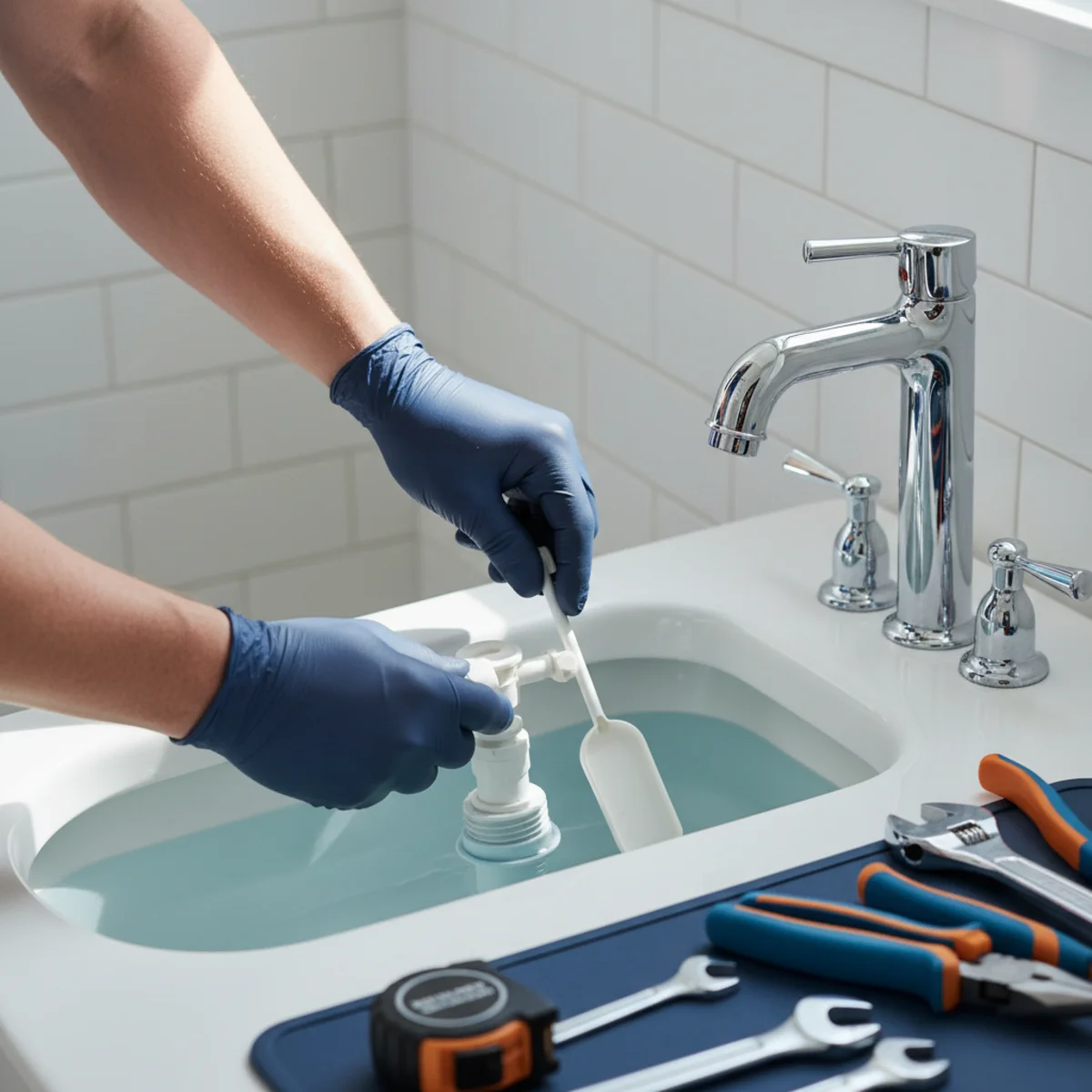
A toilet that runs and runs is wasting water by the hundreds of gallons, and the fix is almost always a cheap part you can replace yourself. Here is the diagnosis ladder, from the easiest cause to the one that needs a plumber.
Key Takeaways
- Lift the lid first: water over the overflow tube is the fill valve; below it is the flapper.
- Start with the flapper chain — too short or too long props the flapper open so it never seals.
- Set the float so the water line sits about an inch below the top of the overflow tube.
- If the flapper and float are right but it still runs, swap the worn fill valve yourself.
- A running toilet can waste hundreds of gallons a day, so fix it now rather than tuning it out.
First, Understand What's Happening Inside the Tank
A running toilet is just a tank that cannot decide it is full. To fix it, you need to know the three parts that decide that, because the running is always one of them misbehaving.
When you flush, the flapper — the rubber seal at the bottom of the tank — lifts and lets the tank water rush into the bowl. Then it drops back down to seal the opening. The fill valve senses the empty tank and refills it. The float rides on the rising water, and when it reaches the set height, it tells the fill valve to shut off. The overflow tube is the safety drain in the middle that sends water to the bowl if the level ever climbs too high.
A toilet runs when water keeps escaping the tank and the fill valve keeps replacing it. Either the flapper is letting water leak down into the bowl, or the fill valve never shuts off and water pours over the overflow tube.
Lift the lid and watch a flush cycle. Once you see whether water is creeping over the overflow tube or disappearing past the flapper, you have told the two big branches of the problem apart — and the rest of this is just working the right branch.
The Two-Minute Diagnosis: Flapper or Fill Valve
Before you touch a tool, run one test that splits the problem cleanly.
Take the tank lid off and look at the water level. If water is spilling over the top of the overflow tube — the open vertical pipe in the middle — the tank is overfilling. The problem is the fill valve or the float, and you work the top of the ladder. The water level is set too high, the float is stuck, or the fill valve will not shut off.
If the water level sits below the overflow tube but the toilet still runs or ghost-flushes, water is leaking down through the flapper into the bowl. The fill valve keeps topping it off, so it cycles. That is the flapper, and you work the bottom of the ladder.
Confirm a flapper leak with the dye test: put a few drops of food coloring in the tank, wait twenty minutes without flushing, and check the bowl. Color in the bowl means the flapper is leaking, plain and simple.
This one observation saves you from swapping the wrong part. Get it right and most repairs from here take ten minutes with parts from any hardware store.
Fix 1 — Adjust or Replace the Flapper
The flapper is the most common cause of a running toilet, and the cheapest to fix. Start here if your dye test showed color in the bowl.
First, look at the chain that connects the flush handle to the flapper. If it is too short or tangled, it holds the flapper slightly open so it never seals — give it a little slack. If it is too long, it can slip under the flapper and prop it open; shorten it by a link or two. A two-minute chain adjustment fixes a surprising number of running toilets.
If the chain is fine, inspect the flapper itself. Over years it hardens, warps, and grows a slimy film, and a stiff flapper cannot seal flat. Run a finger around the seat it lands on, too — mineral buildup on the seat keeps even a good flapper from sealing.
To replace it, shut off the water at the valve behind the toilet, flush to empty the tank, unhook the old flapper from the overflow tube pegs and the chain, and snap on a matching new one. Bring the old flapper to the store to match it. Turn the water back on, let it fill, and run the dye test again to confirm the leak is gone.
Fix 2 — Set the Float and the Water Level
If your diagnosis showed water spilling over the overflow tube, the tank is filling too high and the float is the place to start.
There are two float styles. A ball float is the classic balloon on the end of an arm; bend the arm gently downward, or turn the adjustment screw where the arm meets the fill valve, to lower the shut-off point. A cup float rides up and down the body of a modern fill valve; pinch the clip on the side and slide the cup down to lower the level.
Aim to set the water line about an inch below the top of the overflow tube. Most overflow tubes even have a fill-line mark molded into them — match it.
Adjust, then flush and watch the tank refill and shut off cleanly without spilling into the overflow. A few small adjustments usually dials it in.
If the float is set correctly and water still creeps over the overflow tube, the float is doing its job but the fill valve is not listening — it is not shutting off when told. That moves you down to the next fix, and a worn fill valve is the usual answer.
Fix 3 — Replace the Fill Valve
When the flapper seals fine and the float is set right but the toilet still runs or hisses, the fill valve itself has worn out and will not shut off completely. Replacing it is the most involved DIY step here, but it is still a job most homeowners can handle in under an hour.
Shut off the water at the valve behind the toilet and flush to empty the tank, then sponge out the last inch of water in the bottom. Disconnect the water supply line from the bottom of the tank, and unscrew the lock-nut holding the old fill valve to the tank — a small bucket under it catches the drips. Lift the old valve out.
Modern universal fill valves are height-adjustable and come with clear instructions; set the height to your tank, drop it in, tighten the lock-nut hand-tight plus a careful turn, reconnect the supply line, and clip the refill tube to the overflow. Turn the water back on slowly and watch for leaks at every connection.
This is the natural stopping point for a lot of homeowners. If the supply line valve behind the toilet will not turn or weeps when you use it — common with original shutoffs in older Roselle Park homes — that is a toilet repair detail worth handing to a pro rather than forcing.
When the Running Toilet Isn't a Simple Part
Most running toilets surrender to one of the three fixes above. A few do not, and it is worth knowing when you have crossed into professional territory rather than buying the same part a fourth time.
If you have replaced the flapper and the leak comes right back, the flush valve seat the flapper lands on is pitted or cracked, and no flapper will seal against a damaged surface. Replacing the flush valve means pulling the tank off the bowl — bigger than a flapper swap, and a job many people prefer to hand off.
If the shutoff valve behind the toilet is seized or leaking, the supply line is corroded, or the tank-to-bowl bolts weep, those are separate failures riding along with the running. And if the toilet is old, cracked, or you have rebuilt it more than once in a couple of years, the honest math may favor a new fixture over another round of parts — our toilet installation work covers that tradeoff plainly.
A running toilet is never an emergency, but it is real money leaking away every day, so it is not worth living with for months either. When the DIY ladder runs out, call (207) 419-2600 and we will finish it.
Why It's Worth Fixing Today, Not Someday
It is easy to tune out a running toilet — the sound fades into background noise and the toilet still flushes, so it slides down the to-do list. The water bill is the reason it should not.
A flapper that leaks or a fill valve that will not shut off can waste anywhere from a couple hundred to over a thousand gallons a day, silently, around the clock. In a commuter borough where the house sits empty all day, that water runs for hours with nobody to notice, and it all lands on the quarterly bill. The part that fixes it usually costs less than a few dollars.
There is no emergency hiding behind a running toilet, but there is steady waste, and the fix is one of the most satisfying small repairs a homeowner can do. Most people who follow the ladder — diagnose, then flapper, float, fill valve — solve it in an afternoon.
When it fights back, that is what we are here for. We handle running toilets and every other bathroom plumbing headache across Roselle Park, arrive with the right parts on the truck, and leave the bathroom the way we found it. Call (207) 419-2600 whenever the DIY route stalls.
Frequently Asked Questions
Keep Reading
Kitchen & Bath
Bathroom Plumbing Warning Signs You Shouldn't Ignore
A bathroom rarely fails all at once. It warns you first — a stain on the ceiling below, a floor that gives underfoot, drains that all slow together. Here is how to read those signals before they become a repair you cannot ignore.
8 min read · March 23, 2026
Kitchen & Bath
Kitchen Plumbing Upgrades to Make Before the Cabinets Go In
The rough-in is the one part of a kitchen remodel you cannot redo once the cabinets and counters are in. Here are the plumbing decisions to lock down before the drywall closes, in a Roselle Park home.
9 min read · February 2, 2026
Kitchen & Bath
Garbage Disposal Not Working? Safe Fixes Before You Call
A dead or jammed garbage disposal usually has a simple, safe fix you can do yourself — if you know which sound means what. Here is the homeowner playbook, and the one rule you never break.
7 min read · December 1, 2025