Kitchen & Bath
Common Toilet Problems in Roselle Park, NJ Homes (and What They Mean)
8 min read · Published August 18, 2025
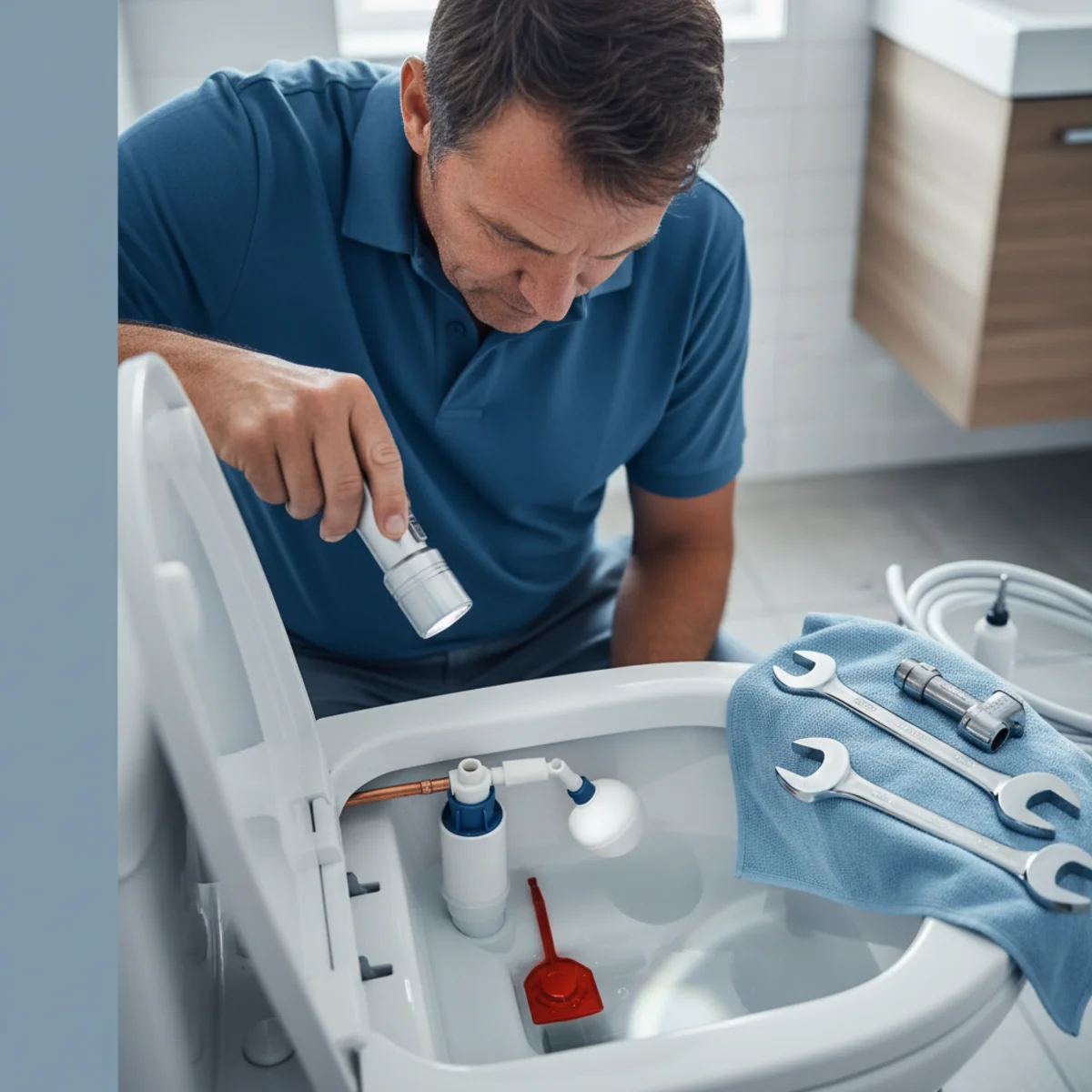
A running toilet, a ghost flush, a flush that barely clears, a base that rocks underfoot — each one is the toilet telling you something specific. Here is how to read the signal in a Roselle Park home.
Key Takeaways
- A constantly running toilet is almost always a worn flapper or a fill valve stuck open.
- Drop food coloring in the tank and wait twenty minutes — color in the bowl means the flapper leaks.
- Never just caulk a rocking toilet; it hides a failing wax ring rotting the subfloor.
- A weak flush usually means a low tank level or scaled rim jets, not an undersized toilet.
- Replace, do not repair, once the tank or bowl is cracked or you have rebuilt it repeatedly.
The Toilet That Never Stops Running
A toilet that hisses or trickles long after you flush is the single most common call we get, and it is almost always one cheap part doing one of two jobs badly.
Lift the tank lid and watch. If water is creeping over the top of the overflow tube in the middle of the tank, the fill valve is set too high or has failed and never shuts off. If the tank level sits below the overflow but the water keeps disappearing, the rubber flapper at the bottom is not sealing, so water leaks down into the bowl and the fill valve keeps topping it up.
That slow leak is not just annoying. A flapper that lets water slip past can waste a few hundred gallons a day without a sound you would notice from the next room — money down the drain on every quarterly water bill in the borough.
The flapper is a five-minute, no-tools swap for most homeowners, and matching a new one to your toilet usually ends the running for good. If a new flapper does not stop it, the flush valve seat it sits on is probably pitted, and that is a bigger toilet repair than a parts swap.
The Phantom or Ghost Flush
You are in the kitchen and you hear the toilet refill itself for ten seconds, then stop. Nobody touched it. That is a ghost flush, and it has one cause: the bowl is slowly losing water, and when it drops far enough, the fill valve kicks on to top off the tank.
The culprit is the flapper again — or, in harder-water homes, mineral buildup that keeps the flapper from sealing flat against its seat. Run a simple test. Put a few drops of food coloring in the tank, wait twenty minutes without flushing, and check the bowl. If color shows up in the bowl, water is migrating past the flapper and you have your answer.
Many of Roselle Park's older homes still carry original toilets or builder-grade replacements with rubber that has gone hard and brittle. Once that seal stiffens, no amount of jiggling fixes it. A fresh flapper and a quick wipe of the seat usually ends the phantom flush for good. If it comes back within weeks, the seat itself is worn and the toilet repair moves up to a flush-valve rebuild.
A Weak Flush That Won't Clear the Bowl
When a flush starts strong and then quits halfway, or you find yourself flushing twice as a habit, the problem is rarely the toilet being undersized. It is almost always a flow problem.
Start with the water level in the tank. If it is sitting low, the flush does not have the volume to build a strong siphon, and a quick fill-valve adjustment fixes it. Next, look under the rim with a small mirror and a flashlight. The little holes ringing the underside of the bowl — the rim jets — clog with mineral scale in homes with hard water, and the angled siphon-jet hole at the bottom front does too. Scale chokes the flush down to a dribble.
A partial clog deeper in the trap or the branch drain does the same thing, where every flush swirls slow and lazy. If a single toilet flushes weakly but the rest of the house drains fine, the problem is local to that fixture. If several fixtures are sluggish at once, that points past the toilet toward a clogged drain or worse, and the diagnosis changes completely.
A Rocking Base and the Smell That Comes With It
Push gently on a toilet and feel it rock, even a little, and you have a problem that is bigger than it looks. A toilet that moves is a toilet whose seal is breaking.
Underneath sits a wax ring that seals the bowl to the closet flange in the floor. Every rock works that seal looser. Once it breaks, water and sewer gas escape under the base — that faint sewage smell in the bathroom that comes and goes is often a failing wax ring, not the drain itself. Worse, the water seeps into the subfloor where you cannot see it, and over months it rots the wood until the flange tears loose entirely.
Do not just caulk around the base to stop the wobble. That traps any leak under the toilet and hides the rot while it spreads. The right fix is to pull the toilet, replace the wax ring, check the flange and the subfloor, and reset the bowl level with new bolts. In Roselle Park's older bathrooms, we sometimes find a flange sitting below a tiled-over floor, and that flange needs an extender to seal right — a detail a quick caulk job ignores.
Condensation, Sweating Tanks, and Hidden Leaks
Not every puddle around a toilet is a flush problem. In summer, cold tank water meets humid bathroom air and the porcelain sweats, dripping onto the floor like a leak. If the water shows up on humid days and the tank feels cold and beaded, that is condensation — annoying, but not a plumbing failure.
Real leaks look different. Check the spot where the supply line meets the tank, the bolts that hold the tank to the bowl, and the base. A steady drip from the tank bolts means the rubber washers have aged out. A drip from the supply connection usually means a loose nut or a tired flexible line.
Here is the part homeowners miss in this commuter borough: a slow leak under or behind a toilet runs all day while the house is empty. Nobody is home to notice the damp until the ceiling below shows a stain. If you have a finished basement or a powder room over a finished space, a wax-ring or supply leak quietly soaks the joists for weeks. Catching it early is the difference between a wax ring and a framing repair.
When to Replace the Toilet Instead of Repairing It
Most toilet problems are repairs, and a good repair is far cheaper than a new fixture and install. But there is a point where repair money turns into wasted money, and an honest plumber will tell you when you have hit it.
Replace, do not repair, when the bowl or tank is cracked — a hairline crack only spreads, and a cracked tank can split and flood. Replace when you are on your third or fourth repair to the same toilet in a couple of years. Replace an old water-guzzler if you want a real cut in your water bill; pre-1994 toilets use three to five times the water per flush of a modern one.
If the fixture is sound and only the guts are failing, a full internal rebuild — new fill valve, flapper, flush valve, and supply line — brings most toilets back to like-new for a fraction of replacement. We lay out that tradeoff before doing anything, and if you do go new, our toilet installation sets it on a fresh wax ring with new bolts so the next decade starts clean.
What You Can Fix Yourself and When to Call
Plenty of toilet trouble is genuine homeowner territory. Swapping a flapper, adjusting the fill-valve float, replacing a flush handle, or tightening a loose supply nut are all safe, cheap fixes with parts from any hardware store. Start there before you call anyone.
Where it stops being a DIY job is anything that means pulling the toilet, touching the flange, or chasing a flush problem that turns out to be a drain. A rocking base, a leak at the base, a flange you can see is broken, or several slow fixtures at once all need a professional eye — partly because the real fix often hides under the floor, and partly because resetting a toilet wrong just leaks again next month.
When you are ready for help, call (207) 419-2600. Tell us which toilet, what it is doing, and whether you have already tried a new flapper — that tells us whether to bring a rebuild kit or a fresh wax ring. We serve every block in Roselle Park, give a straight ETA before the truck rolls, and leave the bathroom clean.
Frequently Asked Questions
Keep Reading
Kitchen & Bath
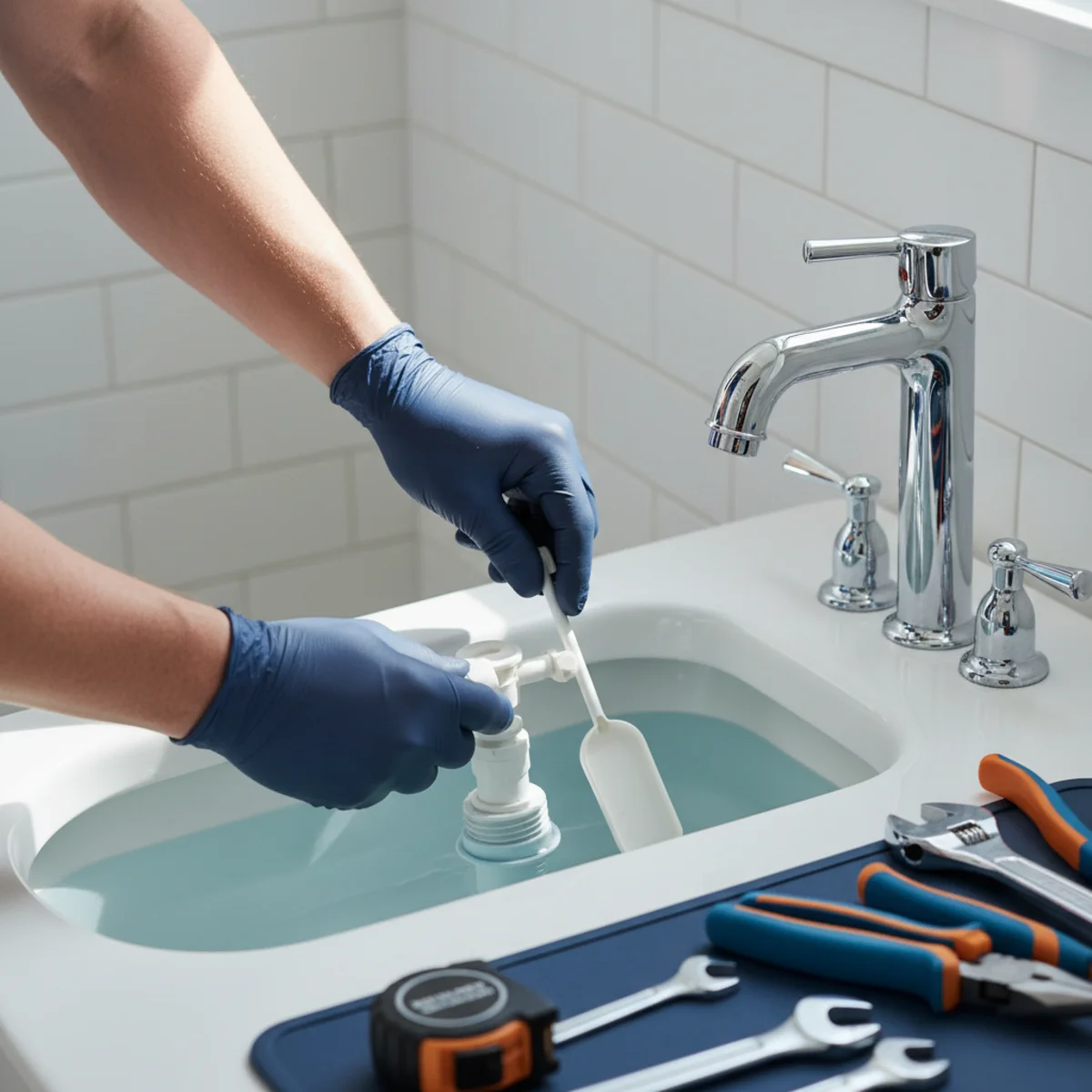
Toilet Keeps Running? The Step-by-Step Fix You Can Do Yourself
A toilet that runs and runs is wasting water by the hundreds of gallons, and the fix is almost always a cheap part you can replace yourself. Here is the diagnosis ladder, from the easiest cause to the one that needs a plumber.
8 min read · April 6, 2026
Kitchen & Bath
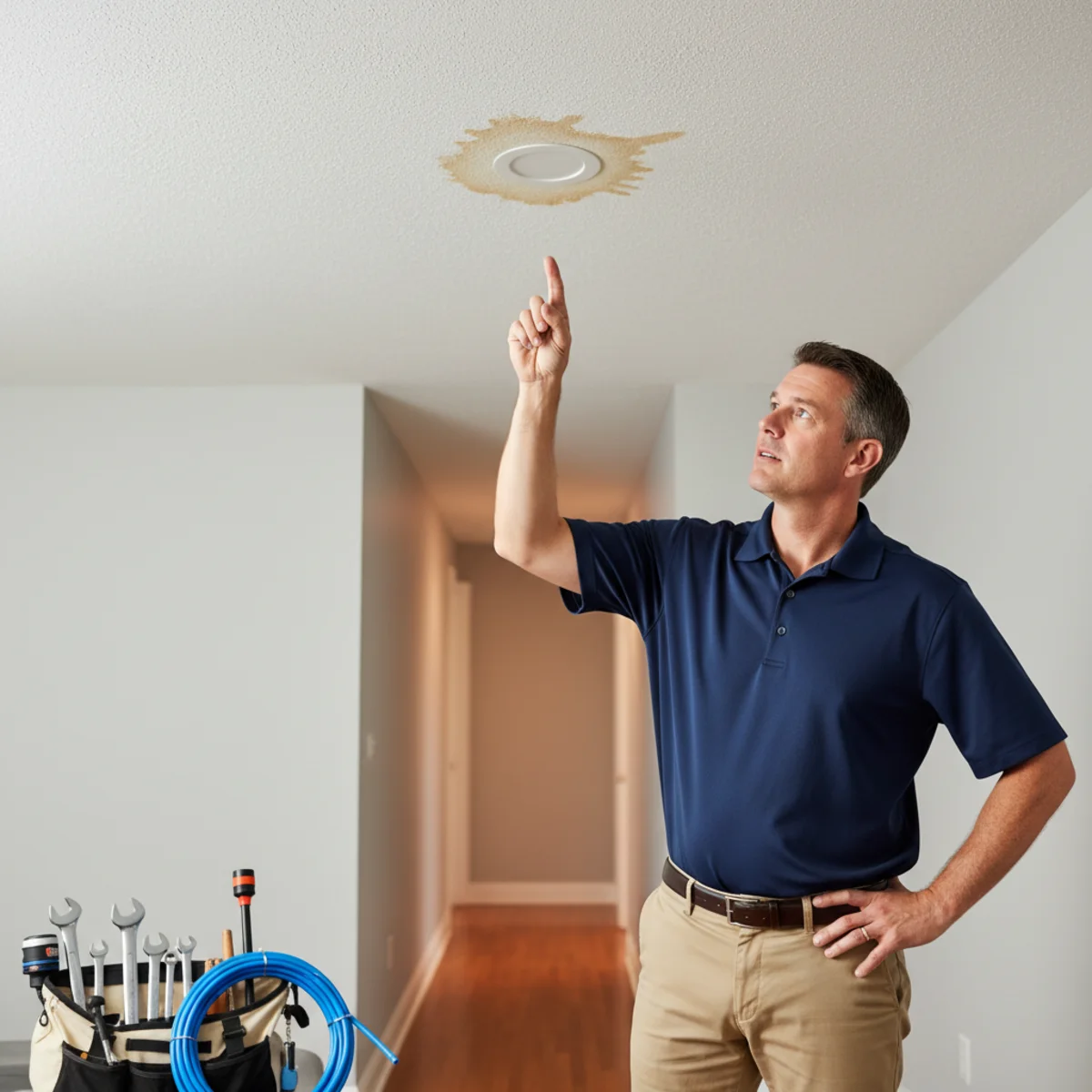
Bathroom Plumbing Warning Signs You Shouldn't Ignore
A bathroom rarely fails all at once. It warns you first — a stain on the ceiling below, a floor that gives underfoot, drains that all slow together. Here is how to read those signals before they become a repair you cannot ignore.
8 min read · March 23, 2026
Kitchen & Bath
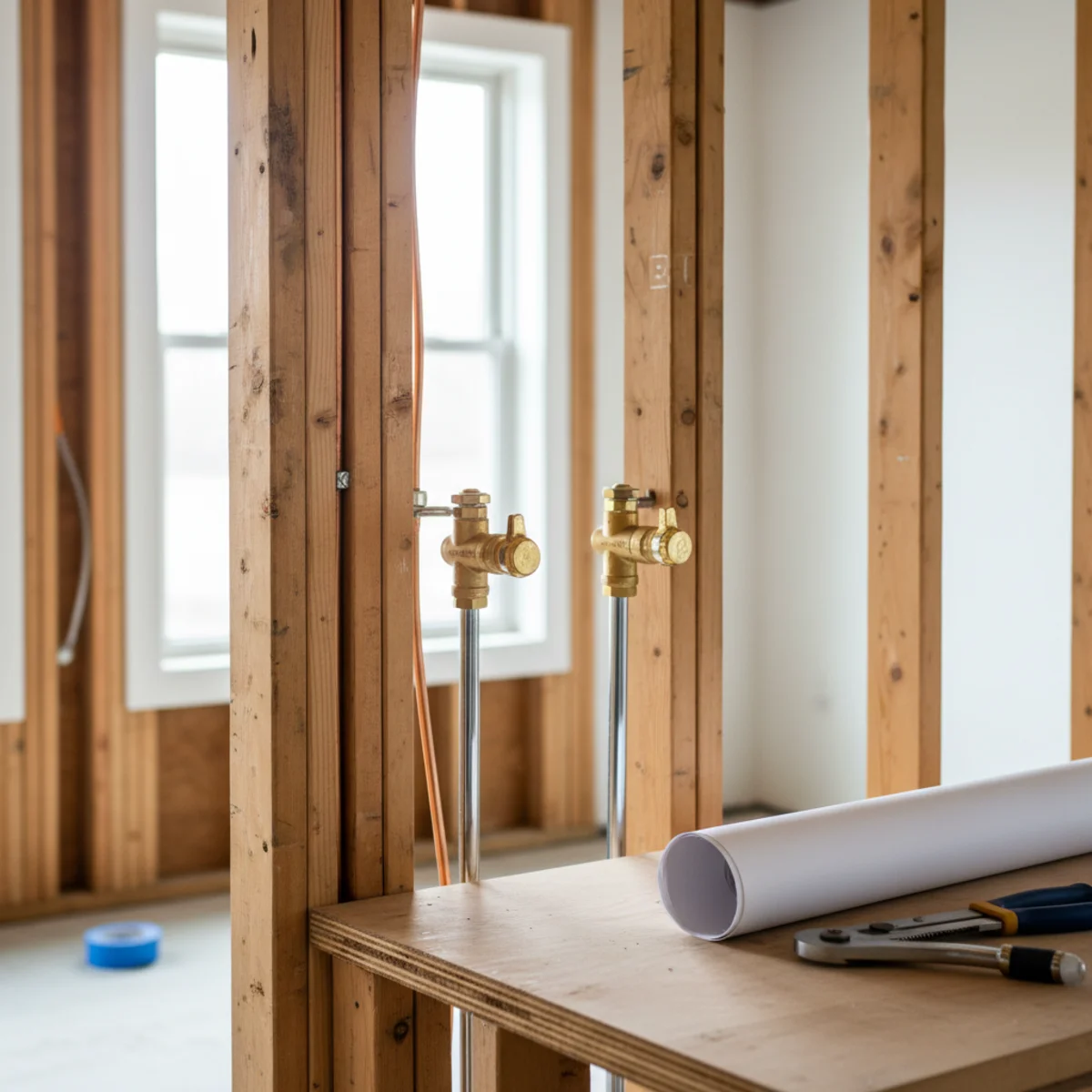
Kitchen Plumbing Upgrades to Make Before the Cabinets Go In
The rough-in is the one part of a kitchen remodel you cannot redo once the cabinets and counters are in. Here are the plumbing decisions to lock down before the drywall closes, in a Roselle Park home.
9 min read · February 2, 2026