Kitchen & Bath
Why Your Faucet Keeps Dripping (and What That Drip Is Costing You)
8 min read · Published October 27, 2025
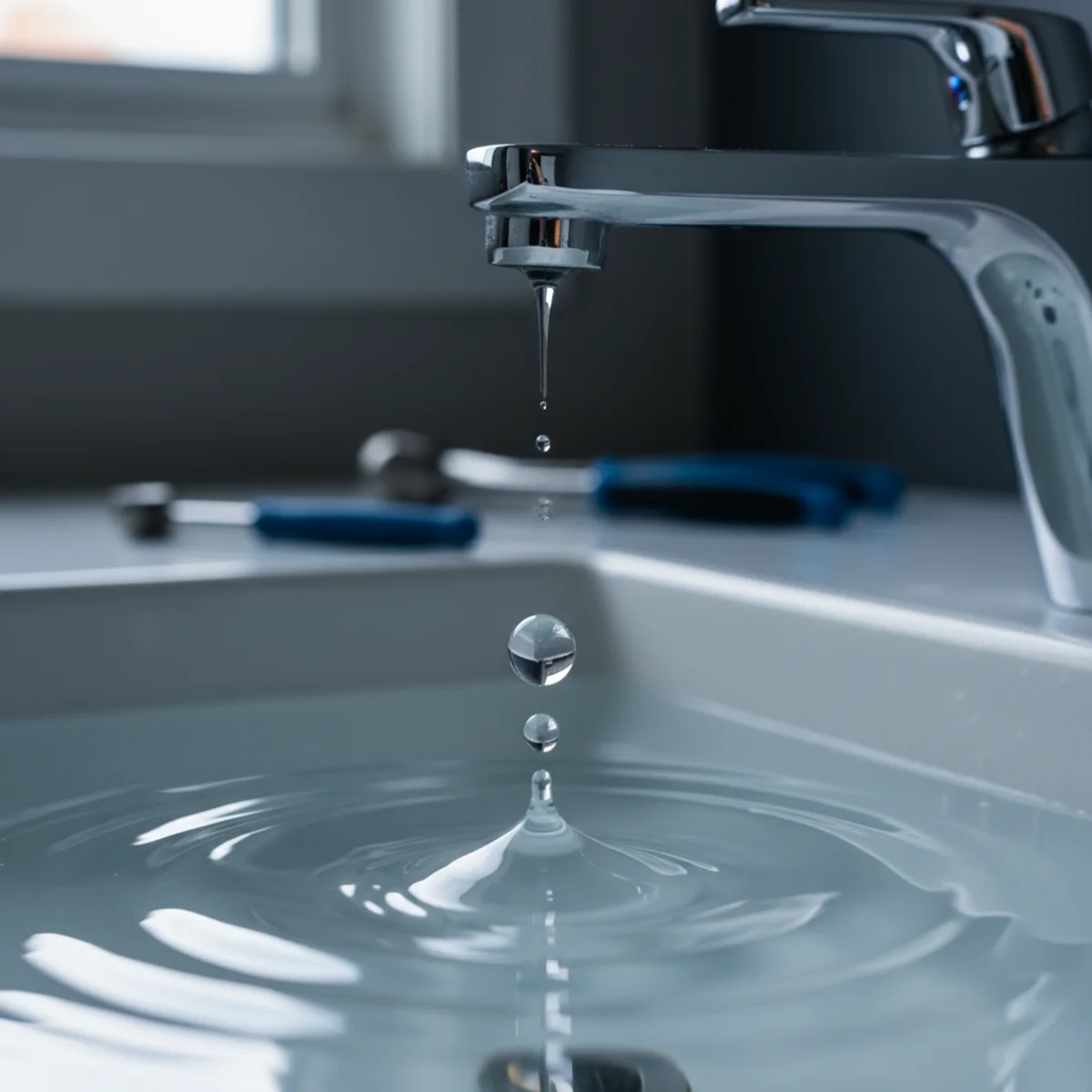
That steady drip after you have shut the handle off is a worn part, not a quirk you have to live with. Here is what is failing inside, what the drip actually costs, and when a rebuild beats a replacement.
Key Takeaways
- A drip is a worn seal failing under house pressure, and it only gets worse as it carves the seat.
- Identify your faucet type — compression, cartridge, ball, or ceramic-disc — before buying parts.
- A drip on the hot side costs double, since you pay to heat all that wasted water too.
- Rebuild a quality faucet body; replace a builder-grade unit whose parts cost nearly as much as new.
- Shut off both supply valves and plug the drain before you take the handle apart.
A Drip Is a Seal Failing, Not Bad Luck
When you turn a faucet off, one small part inside presses against a smooth surface to block the water completely. A drip means that seal is no longer tight. Water is finding its way past it under house pressure, one bead at a time.
Which part depends on the faucet. The four common designs each fail in their own way, and knowing the type tells you what to expect inside.
The faucet did not get worse because you used it wrong. Seals wear out — rubber hardens, brass seats erode, and the minerals in the water sand everything down a little with every use. A drip is the predictable end of that wear, and once it starts it only gets worse, because the trickle of water keeps cutting a groove across the very surface that is supposed to seal.
That is why ignoring a drip never makes it stop. The longer it runs, the more it carves the seat, and the harder the eventual fix becomes. Catching it while it is a clean rebuild is cheaper than waiting until the seat is wrecked.
Know Your Faucet Type Before You Open It
There are four faucet designs, and the repair is different for each.
Compression faucets are the old-school kind with separate hot and cold handles you screw down tight. They use a rubber washer that presses onto a seat, and that washer is the usual drip culprit. These are the most repairable and the cheapest to fix.
Cartridge faucets use a single replaceable cartridge that controls flow and temperature. When they drip, the cartridge is worn and you swap the whole thing — clean, reliable, and common in newer Roselle Park bathrooms.
Ball faucets have a single handle over a rotating ball with springs and seats underneath. More moving parts means more spots to leak, and a rebuild kit replaces the lot.
Ceramic-disc faucets are the modern premium type, with two ceramic discs that slide against each other. They rarely drip, but when they do, sediment has scratched the discs and the cartridge assembly gets replaced.
Knowing which one you own keeps you from buying the wrong parts three times.
What That Drip Is Actually Costing You
A single slow drip feels like nothing. The math says otherwise.
A faucet dripping once per second wastes thousands of gallons a year — enough to fill a small swimming pool — and every drop is metered water you are paying for on the quarterly bill. A faster drip, or two dripping faucets, multiplies that fast.
If the drip is on the hot side, it costs double. You are paying for the water and for the gas or electricity that heated it, and your water heater quietly cycles more often to keep up, shortening its own life in the bargain.
There is a slower cost too. A faucet left dripping for months keeps the basin and the drain wet around the clock, which stains porcelain, breeds the pink mildew film in the overflow, and in some homes drips into the cabinet below if the leak is at the base rather than the spout. An inexpensive washer or a cartridge swap erases all of it. Letting it run does not save money — it spends it slowly.
Dripping Spout vs. Leaking Base vs. Leaking Underneath
Where the water shows up tells you which repair you are facing, and they are not the same job.
A drip from the spout when the faucet is off is the classic worn-washer or worn-cartridge story above. The fix lives in the handle and valve body.
Water pooling around the base of the faucet where it meets the sink, usually only while the water is running, points to worn O-rings around the spout or a failed seal under the escutcheon. The faucet body comes apart and the rings get replaced.
Water under the sink in the cabinet is a different animal entirely. That is the supply-line connections, the shutoff valves, or the faucet's own tailpiece — and a leak down there soaks the cabinet floor and whatever you store under it. In an older Roselle Park home with original shutoff valves, those valves themselves sometimes weep and need replacing. If the leak is below the sink rather than at the spout, treat it as a faucet repair that may also involve the valves, not a simple washer swap.
When a Rebuild Makes Sense and When to Swap the Faucet
Here is the honest framework we use, because it is not always worth saving the old faucet.
Rebuild when the faucet is decent quality, the finish still looks good, and only the internal parts have worn. A cartridge or a rebuild kit is cheap, and a quality faucet body can outlast several sets of internals. There is no reason to throw away a solid faucet over a worn washer.
Replace when the faucet is a builder-grade bargain unit whose parts cost nearly as much as a new faucet, when the finish is flaking or corroded, when you cannot find a cartridge for a discontinued model, or when the base is corroded onto the sink. At that point a rebuild is throwing good money after bad.
Replacing is also the natural moment for an upgrade — a single-handle pull-down in the kitchen, a matched set in the bath. Our faucet installation handles the swap, the supply lines, and the shutoffs in one visit, and we will tell you honestly which way the numbers point before we touch anything.
The Hard-Water Factor in Older Homes
Northern New Jersey water carries enough dissolved mineral to leave its mark, and that mineral is quietly behind a lot of faucet trouble in Roselle Park's older housing stock.
Scale builds up inside the valve body and on the seats, holding washers and cartridges off their seal so they drip sooner than they should. It crusts the aerator at the spout tip until the stream sputters and sprays sideways — often mistaken for a faucet problem when it is just a screw-off aerator that needs a soak in vinegar. And in ceramic-disc faucets, grit dragged through by hard water is the main thing that scratches the discs and makes a drip-proof design start to drip.
If you are replacing faucet cartridges every couple of years across the house, or fighting scale on every fixture, the faucets are a symptom. The fix may be upstream — whole-house water filtration or softening that protects every fixture and the water heater at once. We will test before recommending anything; nobody needs equipment sold on a guess.
Safe DIY Steps and When to Call
A dripping faucet is one of the friendlier DIY jobs, as long as you take it in order.
Shut off the water at the valves under the sink first — both hot and cold — and open the faucet to drain the pressure. Plug the drain so a dropped screw does not vanish. Then take the handle and valve apart slowly, laying parts out in the order they came off so reassembly is just running the sequence backward. Match the washer or cartridge to your faucet's make and model; a photo of the old part at the hardware store saves a return trip.
Where it stops being DIY: a shutoff valve under the sink that will not turn or weeps when you do, a cartridge seized in with scale, a leak you have already rebuilt once that came right back, or a discontinued faucet you cannot find parts for. Those are quick work for us and frustrating for an afternoon alone.
Call (207) 419-2600 with the faucet brand if you know it, and we will arrive with the right cartridge instead of guessing. We work across Roselle Park and the surrounding towns, and a single dripping faucet is rarely more than a short visit.
Frequently Asked Questions
Keep Reading
Kitchen & Bath
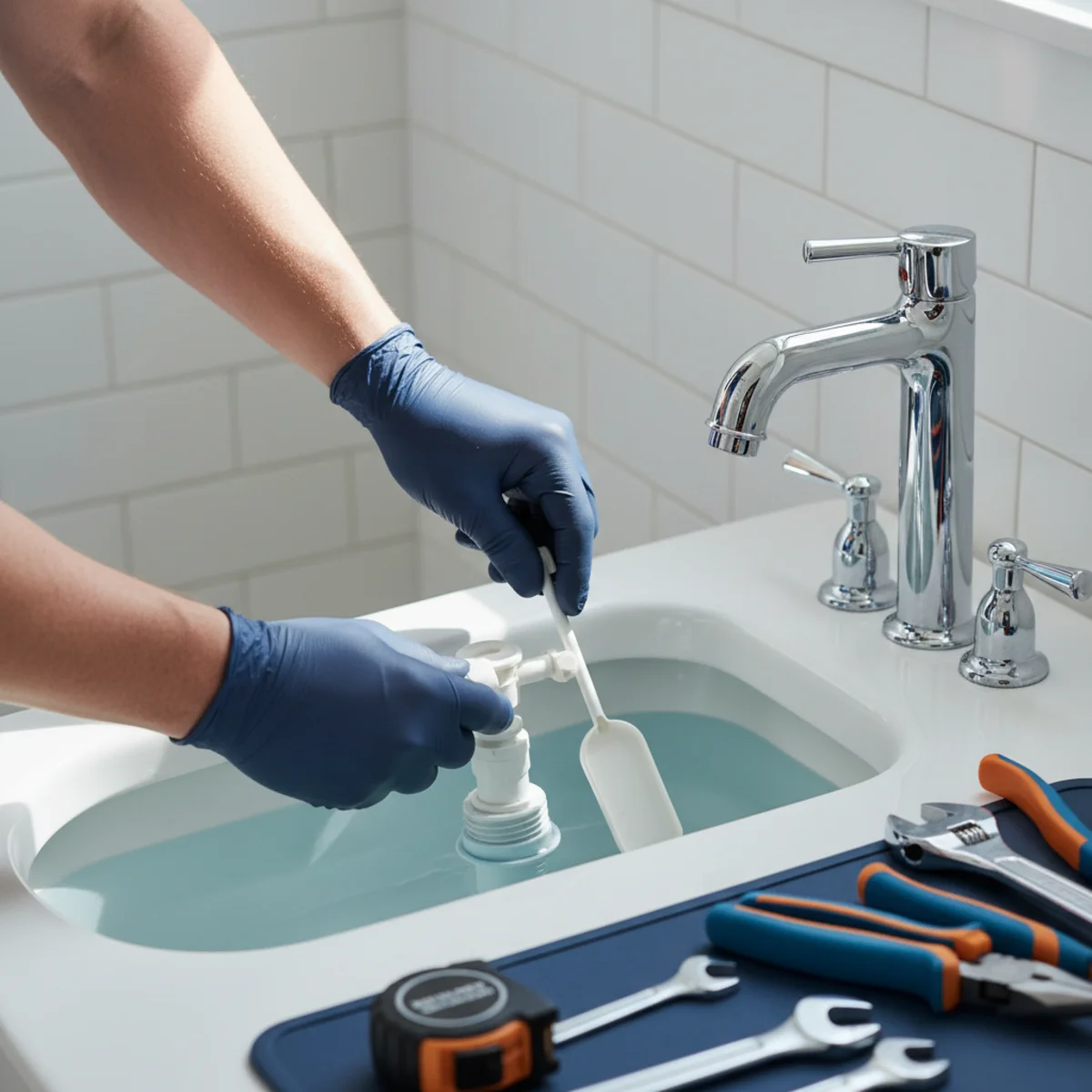
Toilet Keeps Running? The Step-by-Step Fix You Can Do Yourself
A toilet that runs and runs is wasting water by the hundreds of gallons, and the fix is almost always a cheap part you can replace yourself. Here is the diagnosis ladder, from the easiest cause to the one that needs a plumber.
8 min read · April 6, 2026
Kitchen & Bath
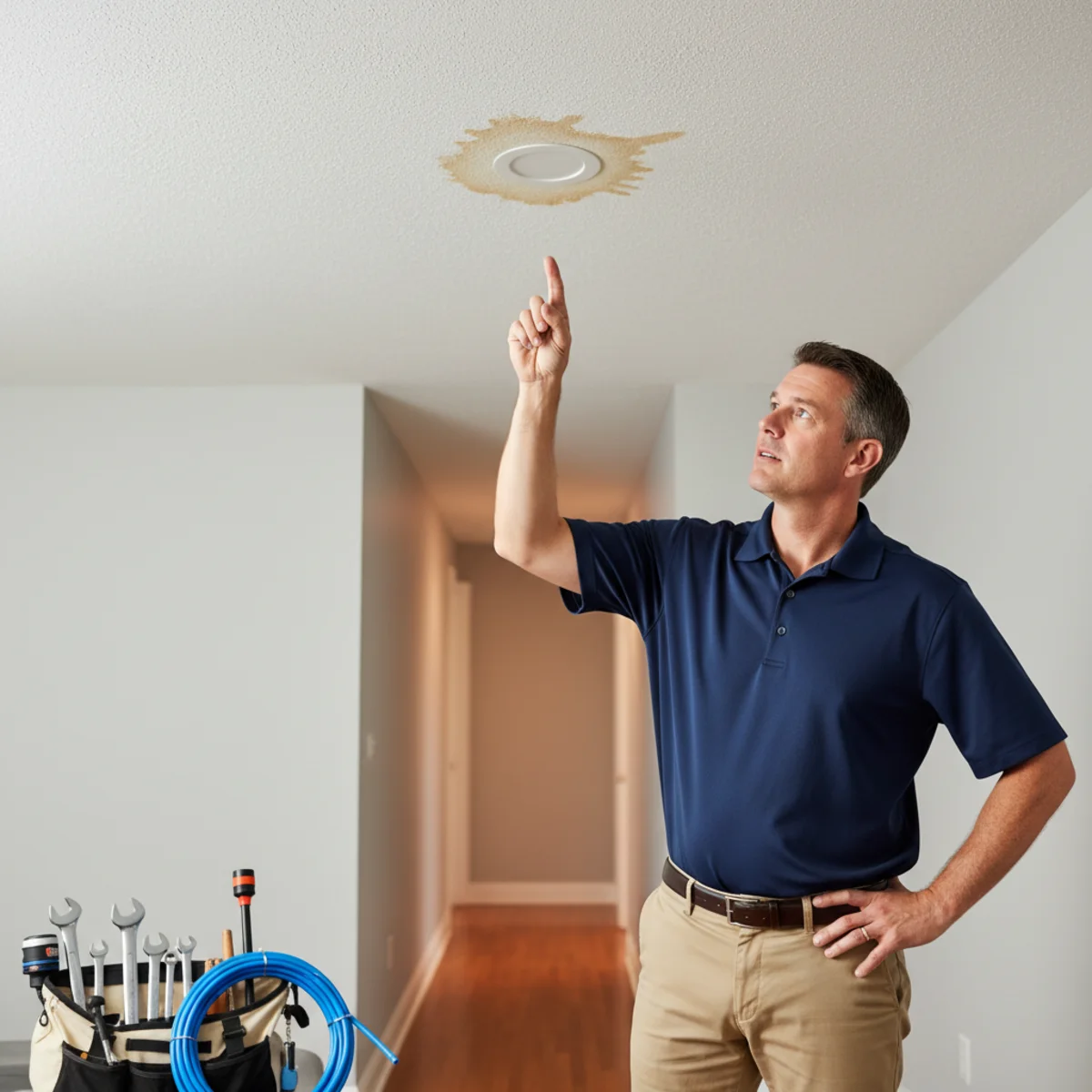
Bathroom Plumbing Warning Signs You Shouldn't Ignore
A bathroom rarely fails all at once. It warns you first — a stain on the ceiling below, a floor that gives underfoot, drains that all slow together. Here is how to read those signals before they become a repair you cannot ignore.
8 min read · March 23, 2026
Kitchen & Bath
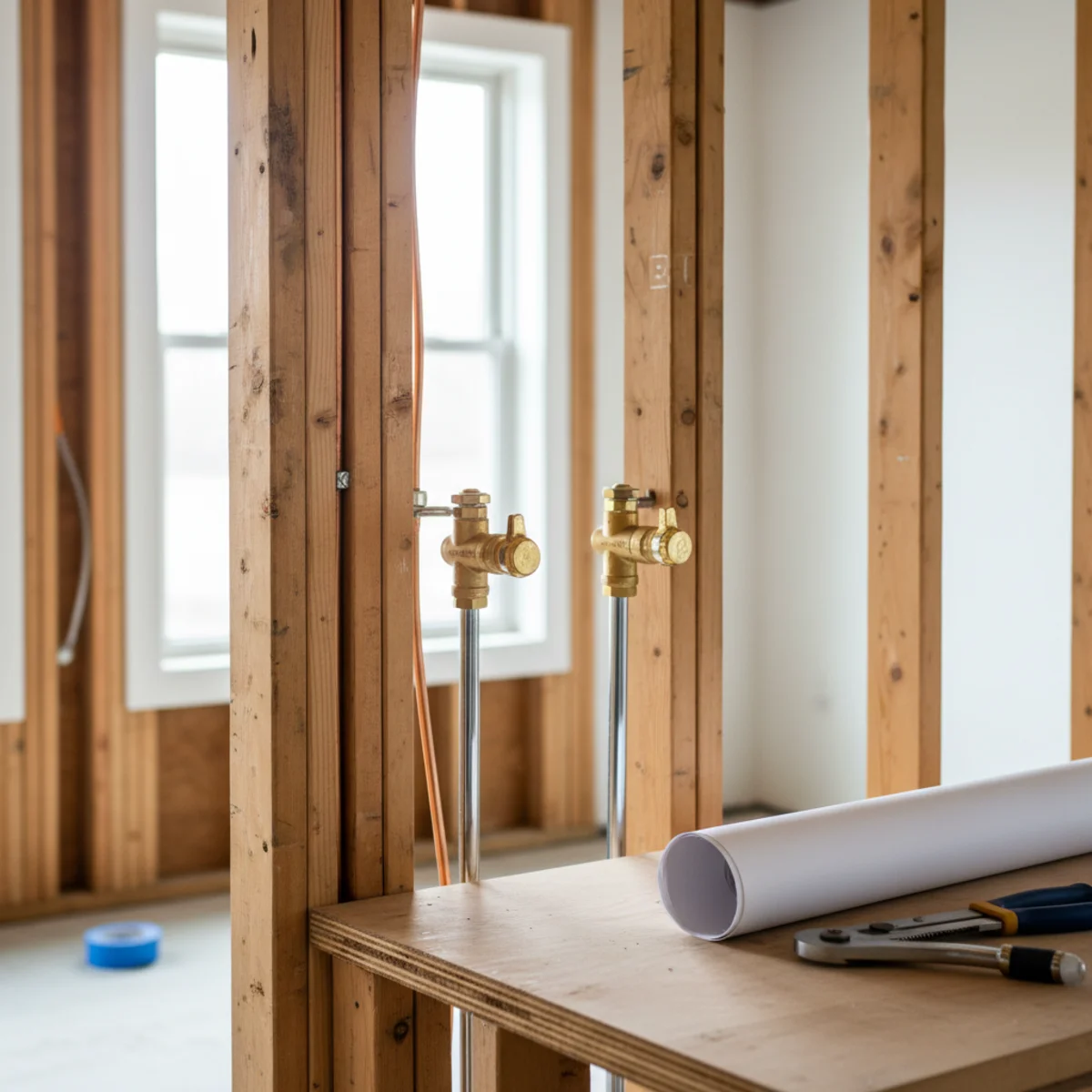
Kitchen Plumbing Upgrades to Make Before the Cabinets Go In
The rough-in is the one part of a kitchen remodel you cannot redo once the cabinets and counters are in. Here are the plumbing decisions to lock down before the drywall closes, in a Roselle Park home.
9 min read · February 2, 2026