Drain & Sewer
Hydro Jetting vs. Snaking: Which Drain Method You Actually Need
8 min read · Published October 20, 2025
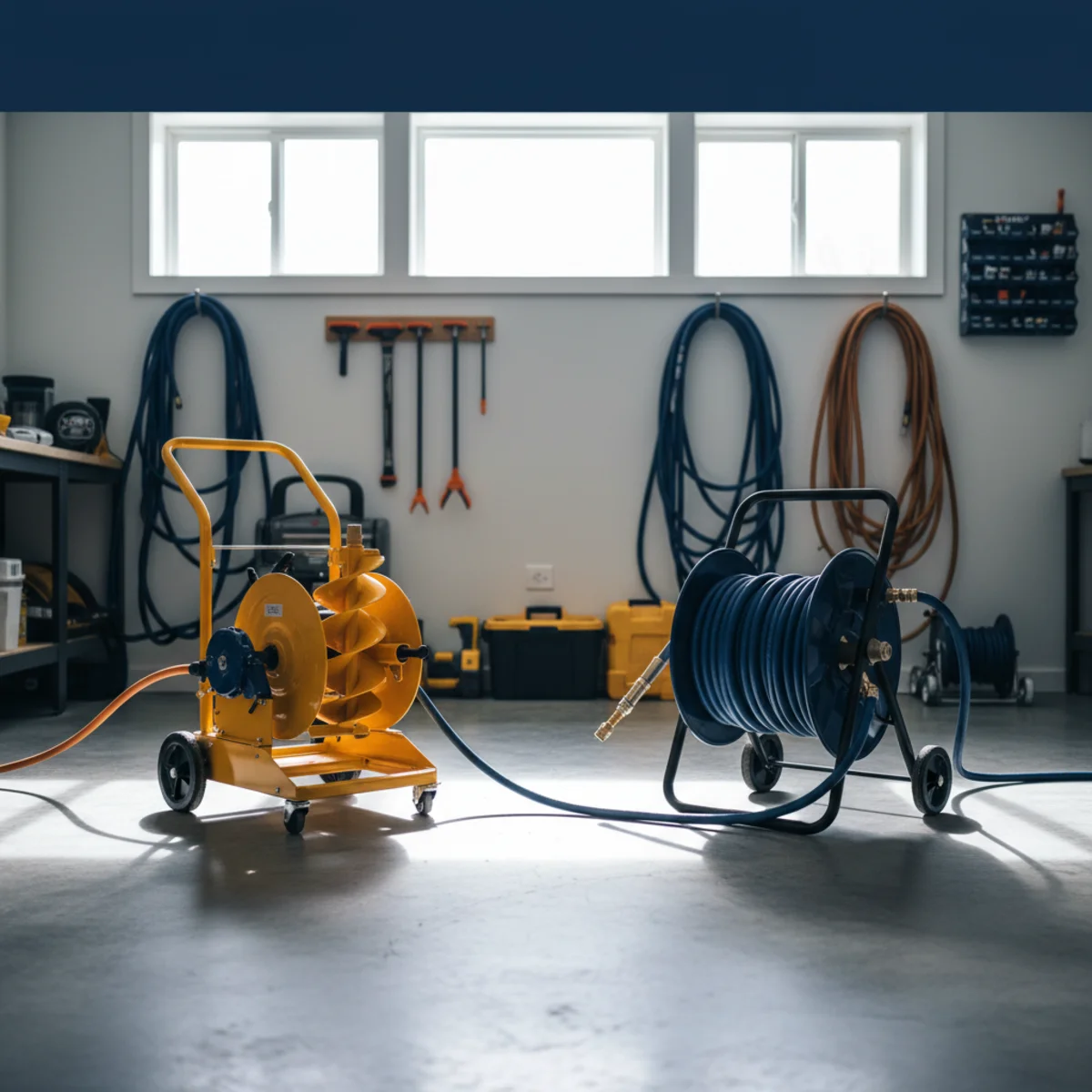
Both clear a clog, but they work in completely different ways — and one of them is overkill for most jobs. Here is the honest breakdown of when to snake, when to jet, and when neither is the answer.
Key Takeaways
- Jetting is not automatically better, it is the right tool for grease, scale, and roots.
- Snake first for a discrete clog or single fixture: it is faster, gentler, and cheaper.
- A cable holes through soft buildup but rides over hardened scale, so scaled lines reclog fast.
- Never blast full pressure on fragile old pipe; camera a questionable line before jetting it.
- Cheap-per-visit snaking four times a year can cost more than one jetting that clears the wall.
Two Tools, Two Very Different Jobs
A drain snake and a hydro jetter both end a clog, so people assume they are interchangeable and you just pick the stronger one. They are not, and the stronger one is not always the right one.
A snake — a cabling machine, a rooter, an auger — feeds a flexible steel cable down the pipe with a cutting or grabbing head on the end. It punches through the blockage, hooks debris, and chews up obstructions. It works on contact, where the cable reaches.
A hydro jetter sends a high-pressure hose down the line with a nozzle that blasts water forward to clear the path and backward to scour the pipe wall. It does not just hole through a clog — it strips the inside of the pipe back toward bare metal and flushes the debris out.
Here is the honest part most pages skip: jetting is not automatically better. It is a more aggressive, more expensive tool that is the right call for specific problems and wasteful for others. A simple hair clog in a bathroom sink does not need a jetter any more than a loose cabinet hinge needs a hammer drill. The skill is matching the tool to the actual blockage, which is what a real drain cleaning visit starts with.
When Snaking Is the Right Call
Snaking is the workhorse, and for a lot of clogs it is exactly enough.
Reach for a cable when the clog is a discrete object or a soft blockage in a branch line — a wad of hair in a shower drain, a toy in a toilet, a grease plug in a kitchen line that has not had years to harden. The cable goes straight to it, breaks it up or pulls it out, and water runs.
Snaking is also the move when you do not yet know what you are dealing with. It is faster to set up, gentler on the pipe, and cheaper, so it is the sensible first attempt on most single-fixture clogs. A good plumber starts here and escalates only if the cable proves the problem is bigger.
The limits are real, though. A cable bores a hole through soft buildup but rides over the hard scale and grease coating the pipe wall. So it restores flow without restoring the pipe, which is why a snaked drain in an old, scaled-up line can clog again in weeks. For a one-off clog, that is fine. For a drain that clogs on a cycle, snaking is treating the symptom — and that is the case for clogged drain repair that looks deeper.
When Hydro Jetting Earns Its Keep
Jetting is the answer when the problem is the pipe wall, not a single object.
Grease is the classic case. A kitchen or restaurant line lined with years of hardened grease will not stay clear after a cable — you need water pressure to emulsify the grease and flush it out completely. Jetting scours the wall back to full diameter so the line carries flow like it is supposed to.
Scale is the other one. Old cast-iron drains tuberculate from the inside, narrowing and roughening the channel. A jetter strips that buildup; a cable cannot.
And roots. When fine root hairs have invaded a sewer line through the joints, a jetter with a root-cutting nozzle shears them and flushes the debris, which a cable often just parts and leaves behind. That makes jetting a strong partner to a rooter service on Roselle Park's old clay laterals.
The honest caveats: jetting is overkill for a simple clog, it costs more, and it is not safe to blast at full pressure on fragile, corroded, or compromised old pipe — high pressure can find a weak spot and make a leak. That is why a smart shop cameras a questionable line before jetting it. The pressure is a tool, not a default.
The Case for Looking First With a Camera
The fastest way to waste money on a drain is to guess at the method. Snake a grease-lined pipe and you are back in a month. Jet a cracked clay lateral blind and you can turn a clog into an emergency.
That is why, for anything beyond an obvious single-fixture clog, the right first step is often a look. A camera sewer inspection sends a waterproof camera down the line and shows exactly what is in there — soft clog or hard scale, grease coating, root intrusion, a belly holding water, a cracked or offset joint.
That picture decides the tool. Soft clog: snake it. Grease or scale: jet it. Roots through good pipe: cut and jet, then plan to keep them out. A cracked or collapsed section: no amount of cleaning fixes it, and you have just saved yourself from paying to jet a pipe that needs repair.
A camera is not a mandatory add-on for every routine bathroom-sink clog — that would be its own kind of upsell. But for recurring clogs, main-line backups, or any older Roselle Park home where nobody has ever seen the inside of the sewer lateral, the camera pays for itself by aiming the fix correctly the first time.
Cost, Pipe Age, and Honest Trade-offs
Money matters, and the cheaper tool is not always the better deal.
Snaking costs less per visit. If a snaked drain stays clear, you are done and you spent the least. But if you are paying to snake the same scaled-up kitchen line four times a year, the running total beats one jetting that actually clears the wall. Cheap-per-visit is not the same as cheap-per-year.
Jetting costs more up front and does more — but only where the problem calls for it. Paying jetting prices to remove a single hairball is throwing money at a job a cable does for less.
Pipe age changes the math too. Roselle Park's early-1900s homes have old cast iron and, in spots, original clay laterals. Those pipes can be scaled enough to truly need jetting and fragile enough to be risky to jet without looking first. There is real judgment in that gap, and it is exactly the kind of trade-off a homeowner should hear straight.
When you call (207) 419-2600, ask the plumber to explain why they are reaching for one tool over the other. A good answer is specific to your pipe. If the only reason offered is bigger is better, that is a flag.
Maintenance: The Quiet Third Option
There is a method nobody sells hard because it does not require a callout, and it is the cheapest of all: keep the line clear so you need neither tool.
For a normal household, that means the basics that actually work. Strain hair in tubs and showers. Keep grease out of the kitchen sink. Run hot water after the sink drains. Treat the toilet as paper-and-waste only. Those habits prevent the majority of the clogs we get called for.
For heavier users — a restaurant kitchen, a busy multifamily building near the train station, a home with mature trees over the sewer lateral — scheduled cleaning beats emergency cleaning every time. A planned sewer cleaning once a year on a known problem line is calmer and cheaper than a sewage backup on a holiday weekend.
The point of comparing jetting and snaking is to use the right tool once and then not need it again soon. The cleanest drain is the one you maintained, not the one you keep rescuing. If you are not sure which camp your home falls in, a quick conversation about your pipe age and history points you the right way — and homes across Roselle Park tend to fall into predictable patterns we can plan around.
Frequently Asked Questions
Keep Reading
Drain & Sewer
How to Unclog a Toilet Without a Plunger (Safely)
The plunger is missing and the bowl is full. Before you panic or pour something dangerous, try these safe home methods — and learn the bright line for when to stop and call a plumber.
7 min read · March 2, 2026
Drain & Sewer
Sewer Smell in the House? Work Through This Diagnosis Ladder
That sewer-gas smell has a source, and you can often find it by working from the simplest cause to the most serious. Here is the diagnosis ladder a plumber runs in their head, top rung to bottom.
8 min read · February 9, 2026
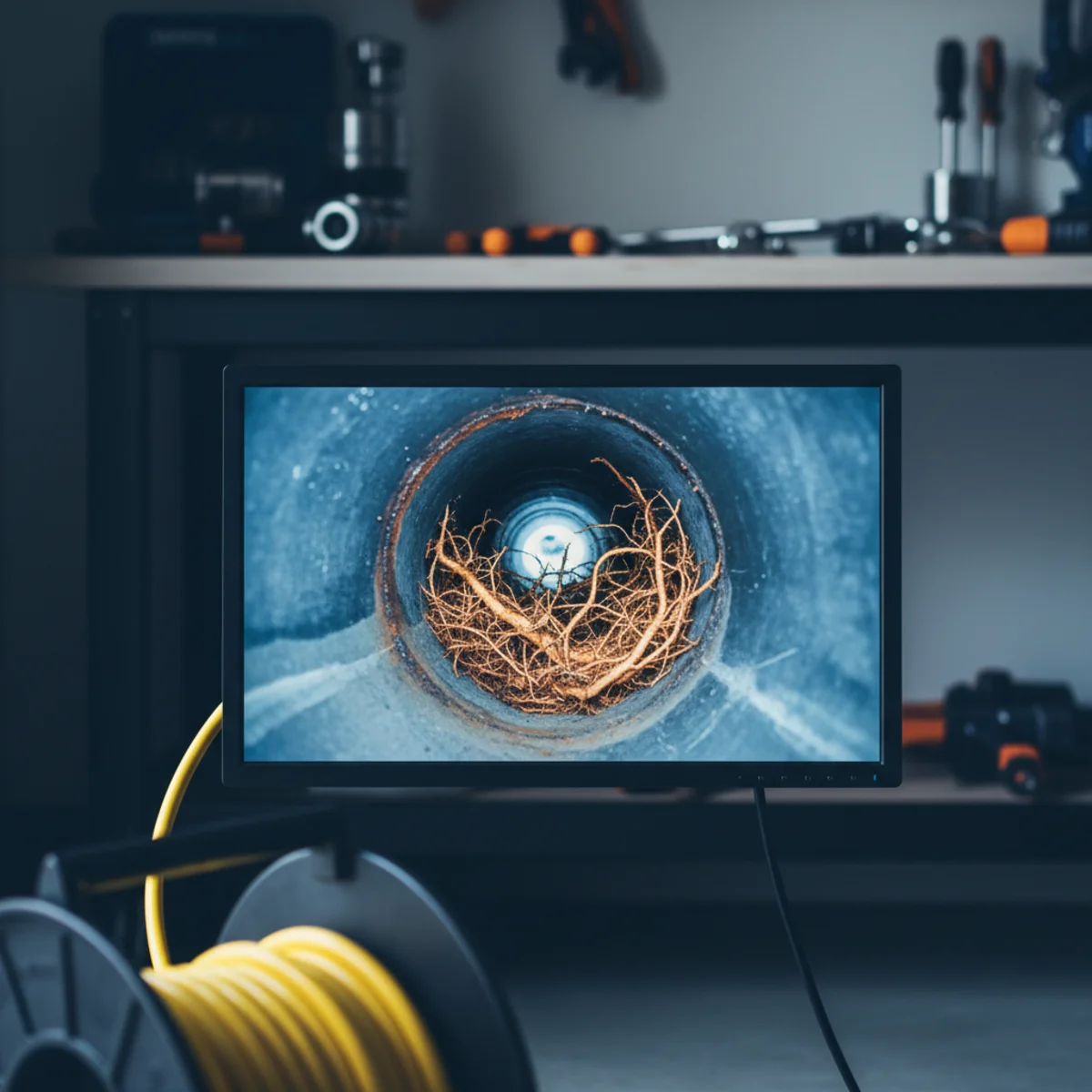
Drain & Sewer
Why a Camera Sewer Inspection Is the Smartest Plumbing Money You Spend
You would not buy a car without looking under the hood. A camera sewer inspection is how you look inside the one pipe you cannot see — before you dig, before you buy an older home, before a clog becomes a flood.
7 min read · January 26, 2026