Basement & Pumps
How to Prevent Basement Plumbing Backups in Your Roselle Park Home
8 min read · Published April 20, 2026
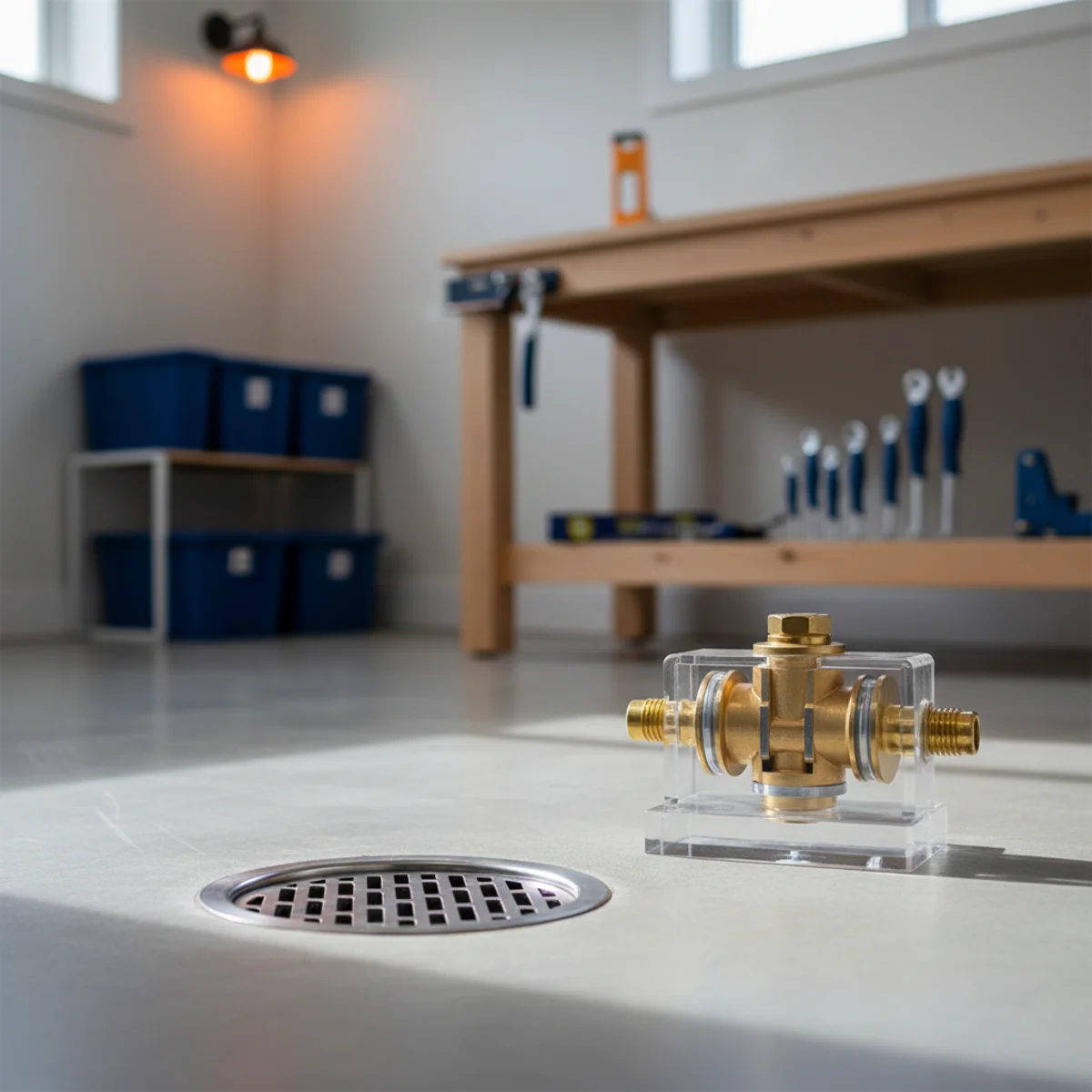
A basement backup is the worst kind of plumbing failure — it comes up through the floor and it is not clean water. Here is how to stop it before it starts, and what your insurance actually covers.
Key Takeaways
- A backwater valve is the main defense against a surcharged city sewer pushing waste back in.
- A sump pump handles groundwater only — it does nothing for a sewage backup, so you need both.
- Pour water down rarely-used floor drains every couple of months to keep the trap sealed.
- Never put grease, wipes, or food scraps down the drain — that clog is the part you control.
- Standard policies exclude sewer backups; add a backup endorsement before storm season.
Why Basements Back Up in the First Place
A basement backup is plumbing in reverse. Instead of waste leaving your house through the sewer lateral, it comes back up — through the floor drain, the basement toilet, the laundry standpipe — and onto your floor. It is the worst kind of failure because it is rarely clean water, and the basement is where the lowest drains in the house sit.
There are two main causes, and they call for different defenses. The first is a blockage in your own line: grease, roots, or scale clogging the sewer lateral so wastewater has nowhere to go but up through the lowest opening. The second is the municipal sewer surcharging during heavy rain — the public main fills past capacity and pushes water back toward every house connected to it.
Roselle Park's older homes make both worse. Century-old clay laterals invite root intrusion, mature street trees feed those roots, and heavy storms over Union County can overwhelm combined or aging sewer infrastructure. Prevention is not one gadget; it is a small system of defenses, and each piece is cheaper than one cleanup.
The Backwater Valve: Your Main Defense
If you do one thing to protect a basement from sewage backup, it is a backwater valve. It is a one-way gate installed in the sewer lateral that lets wastewater flow out of the house normally but slams shut if the flow tries to reverse and come back in.
When the city main surcharges during a storm and pushes water back toward your house, the backwater valve closes against it. Your basement stays dry while the pressure passes. It is the single most effective protection against the kind of backup you cannot control — the one that originates outside your property line.
This is not a DIY install. It is cut into the main sewer lateral, usually requires a permit and inspection in New Jersey, and has to be placed and pitched correctly to seal and to stay accessible for service. A valve installed wrong is worse than none, because people trust it.
It also needs occasional cleaning — debris on the flapper keeps it from sealing. A backwater valve is a real piece of sewer work and a centerpiece of serious basement plumbing protection. If your home has flooded from the city side before, call (207) 419-2600 and ask whether your lateral is a candidate.
Floor Drain Care and the Dried-Out Trap
The basement floor drain is both an escape route and a vulnerability. It is the lowest drain in the house, so it is the first place a backup surfaces — and it is also where a small, free habit pays off.
Under every floor drain is a trap, a U-shaped bend that holds a plug of water to block sewer gas from rising into the basement. In a drain that rarely gets used, that water slowly evaporates. A dried-out trap is why an unused basement smells like sewage — the gas barrier is gone. Pour a quart of water down the floor drain every couple of months to keep the trap full. Many people add a splash of mineral oil on top to slow evaporation.
Keep the drain clear, too. A floor drain buried under storage boxes cannot do its job, and debris washed into it builds a clog that turns a minor surcharge into a flood.
If your floor drain is slow, gurgles when other fixtures run, or backs up on its own, that is a warning the line below it is partly blocked. A round of floor drain cleaning clears it before the next storm tests it. A clear, trapped, accessible floor drain is quiet, cheap insurance.
Roots, Grease, and the Clogs You Cause
Not every backup comes from the city. Plenty start with a clog in your own lateral, and those you can largely prevent.
Tree roots are the big one in Roselle Park. The borough's mature street trees send roots toward the steady moisture and nutrients inside an old clay sewer lateral, working into the joints and growing into a mat that catches everything. If you have had root backups before, the fix is not a one-time clearing — it is periodic rooter service on a schedule that stays ahead of the regrowth, or eventually repairing the line.
Grease is the other self-inflicted clog. Cooking grease poured down a kitchen drain cools, congeals on the pipe walls, and narrows the line until it stops. Never pour grease down a drain — let it solidify in a can and throw it out.
The usual suspects round it out: so-called flushable wipes that do not break down, feminine products, paper towels, and fistfuls of food scraps. Every one of these collects at the first rough spot in an old pipe and starts a dam. What goes down the drain is the part of backup prevention you fully control, so control it.
When You Already Have a Sump Pump
It is worth being clear about what a sump pump does and does not do, because people conflate two different systems.
A sump pump handles groundwater — the water that collects around the foundation and rises into the pit through the perimeter drain tile. It does nothing for a sewer backup, which comes up through the sanitary drains. The two problems have separate fixes: a sump pump and pit for groundwater, a backwater valve for sewage.
That said, a failed sump pump causes its own basement flood, so it belongs in any backup-prevention plan. Test it before storm season with a bucket of water, keep the pit clear, and make sure the discharge carries water well away from the foundation so it does not just circle back.
The honest add-on is battery backup. The storms that flood basements are the same storms that drop the power, and a sump pump without a backup quits exactly when the pit is filling fastest. If your basement is finished, a sump pump installation with a backup battery is the upgrade that most reliably keeps groundwater out when the grid goes down. Cover both systems and you have closed both doors water uses to get in.
What Insurance Actually Covers
This is the part homeowners learn the hard way, so learn it now. A standard homeowner's policy generally does not cover water that backs up through your sewer or drains. That damage falls under a separate sewer-and-drain backup endorsement that you have to add on purpose.
The gap catches people. They assume a sewage flood is covered like a burst pipe, file the claim, and find out the backup was excluded. The endorsement is usually inexpensive relative to what a finished-basement cleanup costs, and it is worth a call to your agent before storm season — not after.
Flooding from outside surface water is different again and typically needs a separate flood policy entirely. Know which kind of water your basement is exposed to.
Documentation matters when something does happen. Photograph everything before you clean up, keep records of any preventive work like a backwater valve or sump installation, and note that you maintained the system. Some insurers look more favorably on homes with documented backup protection in place. The cheapest insurance, though, is still the prevention — a valve, a clear drain, and a working pump beat any claim.
Putting a Prevention Plan Together
Backup prevention is layered, because the water has more than one way in. Stack the defenses and a storm that would have flooded your basement passes without a trace.
Here is the plan I would run on an older Roselle Park home:
- Install a backwater valve if your line is a candidate, especially if a city-side surcharge has flooded you before.
- Keep the basement floor drain clear, accessible, and trapped — pour water down it every couple of months.
- Schedule sewer cleaning or rooter service if roots or grease have backed you up in the past, and stay ahead of the regrowth instead of waiting for the next clog.
- Never put grease, wipes, or food scraps down the drains.
- Test the sump pump before storm season and add a battery backup if the basement is finished.
- Add the sewer-and-drain backup endorsement to your insurance.
If you are not sure where your weak point is, a camera sewer inspection shows the actual condition of your lateral — roots, cracks, bellies, scale — so you defend the real risk instead of guessing. Call (207) 419-2600 and we will look at what your home actually faces and tell you which layers are worth the money. A dry basement on the worst night of the year is built on the calm days before it.
Frequently Asked Questions
Keep Reading
Basement & Pumps
What Causes Low Water Pressure in an Older Roselle Park Home
Low water pressure has a dozen causes, from a clogged aerator you can fix in five minutes to galvanized pipe closing up inside the walls. Here is how to tell which one you have.
8 min read · February 16, 2026

Basement & Pumps
Water Line Leak Warning Signs Every Roselle Park Homeowner Should Know
The water line from the street to your house can leak underground for weeks before you notice. These are the warning signs — soggy lawn, spinning meter, falling pressure — that catch it early.
8 min read · January 19, 2026
Basement & Pumps
7 Signs Your Sump Pump Is Failing Before It Quits for Good
A sump pump rarely dies without warning — it rattles, short-cycles, and rusts for months first. Learn the seven tells that mean yours is on the way out, before the next storm proves it.
8 min read · November 10, 2025