Local Tips
How to Choose a Plumber in Roselle Park, NJ
9 min read · Published February 12, 2026
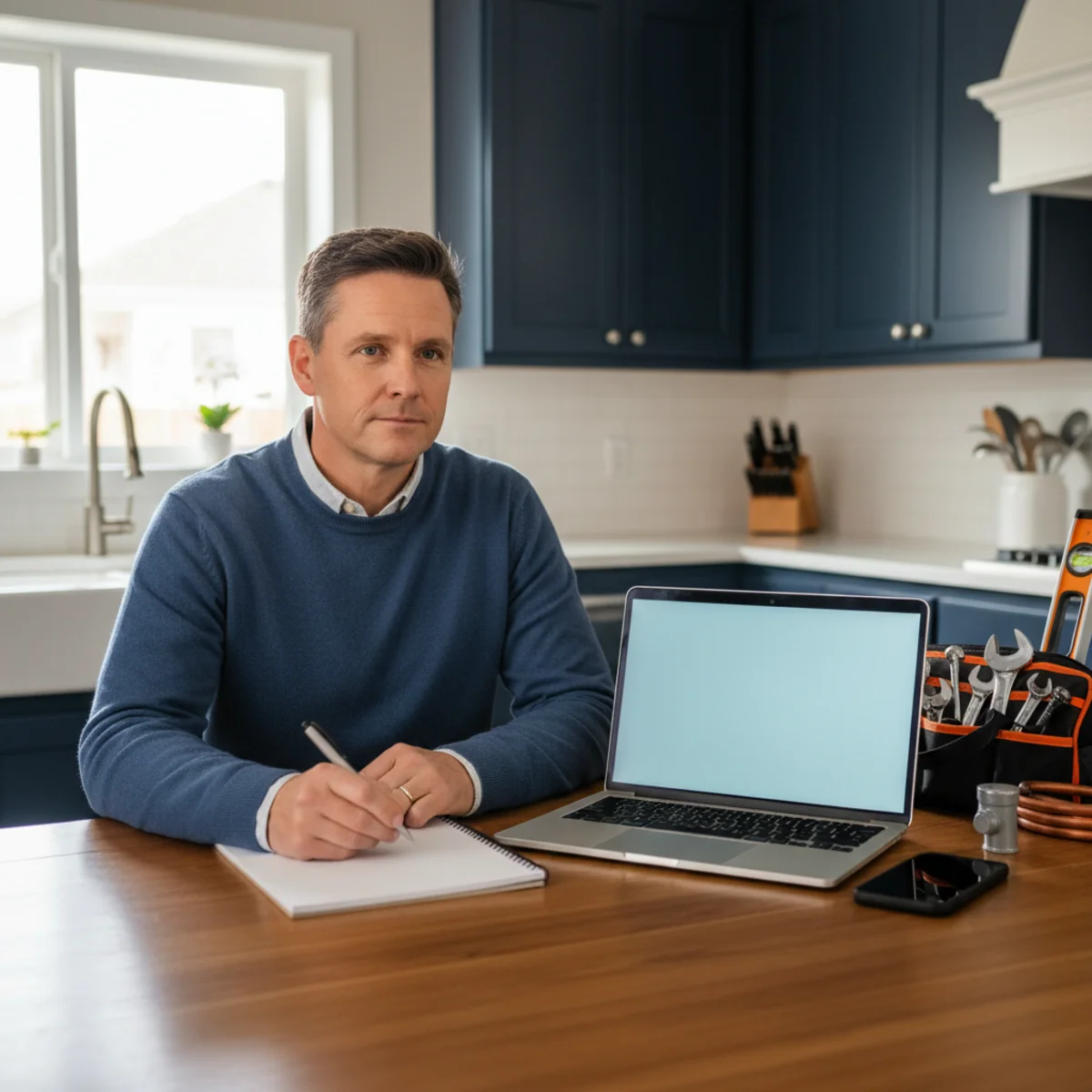
Hiring a plumber in Roselle Park should not be a gamble. This guide shows you how to verify a New Jersey license, confirm insurance, understand permits, and read an estimate before you sign.
Key Takeaways
- Verify the NJ master plumber license through Consumer Affairs — it takes about two minutes online.
- Confirm liability insurance and ask for proof; licensing and insurance are the two non-negotiables.
- A plumber who pulls permits as a matter of course is showing you how they operate.
- A good estimate spells out scope, materials, and what is included so you can compare bids fairly.
- Be wary of a quote far below every other bid — corners or missing license and insurance often explain it.
Choosing Well Beats Choosing Fast
When water is on the floor, the instinct is to call the first number that answers and hope for the best. Understandable — but the few minutes it takes to choose well are worth it, because the wrong choice on plumbing work can cost you twice: once for the bad job and again to fix it.
The good news is you do not need insider knowledge to pick a solid plumber in Roselle Park. You need to know what to verify and what questions to ask, and most of it takes one phone call and a couple of online lookups. None of this is about trusting a slick pitch. It is about confirming the basics that separate a legitimate, accountable plumber from someone working off the books.
This guide is education, not a sales pitch — the checks below apply to anyone you call, including us. A plumber worth hiring will answer every one of these questions without getting defensive, because they have nothing to hide. Let's walk through exactly what to look for, in the order that matters. If you ever want to test these questions on a real call, try them at (207) 419-2600.
Verify the New Jersey Plumbing License
This is the single most important check, and almost nobody does it. New Jersey licenses master plumbers through the State Board of Examiners of Master Plumbers, and any legitimate plumbing work in the state should be performed by or under a licensed master plumber. A license number is not decoration — it means real training, a passed exam, and an accountable party if something goes wrong.
Ask for the license number directly. A reputable plumber gives it without hesitation. You can then verify it through the New Jersey Division of Consumer Affairs license lookup, which confirms the license is active and in good standing. The whole check takes about two minutes online.
Be cautious with anyone who dodges the question, gives you a vague "we're fully certified," or offers a steep cash discount to skip the paperwork. Unlicensed work is not just risky craftsmanship — it can void your homeowners insurance and create headaches when you sell the house, because unpermitted, unlicensed plumbing turns up in inspections. The license is your floor, not your ceiling. Everything else in this guide assumes you have confirmed it first.
Confirm Insurance Before Anyone Touches a Pipe
A license proves competence; insurance protects you when something still goes wrong. Plumbing work happens inside your walls, near your electrical, and around water that can ruin a finished basement in minutes. You want a plumber carrying real coverage so that an accident is their problem, not yours.
Ask whether they carry liability insurance, and do not be shy about asking for proof. A legitimate operation can produce a certificate of insurance without drama. Liability coverage means that if a repair goes sideways and damages your home, there is a policy to make it right rather than a dispute that lands in your lap.
This matters more on bigger jobs. A faucet swap is low-stakes; a repiping project or a sewer line repair that involves opening walls or digging up the yard carries real exposure. The bigger the work, the more insurance matters.
Here is the honest frame: insurance and licensing are the two non-negotiables. Price, availability, and personality all come after these, because a cheap quote from an uninsured, unlicensed person is not actually cheap once you price in the risk you are quietly taking on.
Ask About Permits and Inspections
New Jersey requires permits and municipal inspections for a lot of plumbing work — water heater replacements, gas line work, sewer repairs, and most jobs beyond simple repairs. This is not bureaucratic busywork. The permit triggers an independent inspection that confirms the work meets code, and that paper trail protects you when you sell or file an insurance claim.
A plumber who pulls permits as a matter of course is telling you something good about how they operate. One who suggests skipping the permit "to save time and money" is asking you to absorb a risk you should not. Unpermitted work that surfaces during a home sale can stall the deal or force expensive retroactive corrections.
Ask directly: will this job require a permit, and will you pull it? For a water heater installation or a gas line repair, the answer should be a clear yes. In Roselle Park, permits run through the borough construction office, and a local plumber who works the area regularly knows that process cold. That local familiarity is a quiet advantage — they are not learning your town's requirements on your dime.
How to Read an Estimate (and What Drives Cost)
A good estimate is specific. It should describe the scope of work, the materials, and what is and is not included, so you can compare apples to apples between plumbers. A one-line number scrawled on a card tells you nothing and protects you even less.
Understand what actually drives plumbing cost so the numbers make sense. The factors are real and consistent: the scope and complexity of the work, the materials involved, how accessible the problem is, whether permits and inspections are required, and whether it is a standard appointment or an after-hours emergency. A buried sewer line under a driveway costs more to reach than the same repair in an open basement — not because anyone is gouging you, but because access is part of the job.
Be wary of two extremes. A quote that is dramatically lower than everyone else's often means corners are about to be cut, or the license and insurance you are paying for elsewhere are simply absent. A quote padded with vague "miscellaneous" charges deserves questions. What you want is a plumber who explains the factors behind the number and gives you an upfront estimate before work begins, so there are no surprises when the bill lands. If a quote confuses you, call and ask us to explain how these factors apply at (207) 419-2600.
Local Matters More Than You Think
There is a practical case for hiring a plumber who actually works in Roselle Park and the surrounding Union County towns, beyond just convenience.
A local plumber knows the housing stock. They have already crawled through the borough's early-1900s basements, they know which homes are likely to have galvanized supply lines or cast-iron drains, and they are not surprised by a century-old clay sewer lateral. That familiarity means faster, more accurate diagnosis and fewer "well, we didn't expect that" moments mid-job.
They also know the local rules. Permit processes, inspection expectations, and the quirks of an older borough's infrastructure vary town to town, and a plumber who works the Roselle Park area every week is not figuring that out for the first time on your house.
And there is accountability. A plumber rooted in the community has a reputation to protect among neighbors who talk. That is worth more than any slogan. When you are weighing options, a local outfit that knows your specific Westfield Avenue corridor or your block has a real edge over a far-off company seeing your town for the first time.
Red Flags and Green Flags
After all the checklists, a lot of it comes down to pattern recognition. Here are the signals worth watching.
Red flags: refusing to provide a license number, no proof of insurance, pressure to skip permits, demanding large cash payment up front, a quote far below every other bid, vague estimates with no scope, and high-pressure tactics that rush you into deciding before you are ready. Any one of these should slow you down.
Green flags: a license number offered freely and easy to verify, proof of insurance on request, a clear plan to pull permits where required, a written estimate that spells out the scope, straight answers about repair-versus-replace trade-offs, and a willingness to explain the why behind the work. A plumber who tells you a repair will hold rather than upselling you a full replacement is showing you exactly the honesty you want.
Trust how the conversation feels, too. The right plumber answers questions instead of dodging them, and respects that it is your home and your decision. Run these checks on any plumber you call — and if you want to put them to us directly, we welcome every one of them at (207) 419-2600.
Frequently Asked Questions
Keep Reading
Local Tips
When to Call a Local Plumber vs. Do It Yourself
Some plumbing jobs are perfectly safe for a confident homeowner. Others quietly turn a small problem into an expensive one. Here is an honest decision tree for knowing which is which.
8 min read · May 4, 2026
Local Tips
Winter Plumbing Tips for New Jersey Homeowners
A New Jersey winter finds every weak spot in your plumbing. This guide walks through the freeze prep that actually prevents burst pipes, plus what to do the morning a line freezes anyway.
9 min read · November 30, 2025
Local Tips
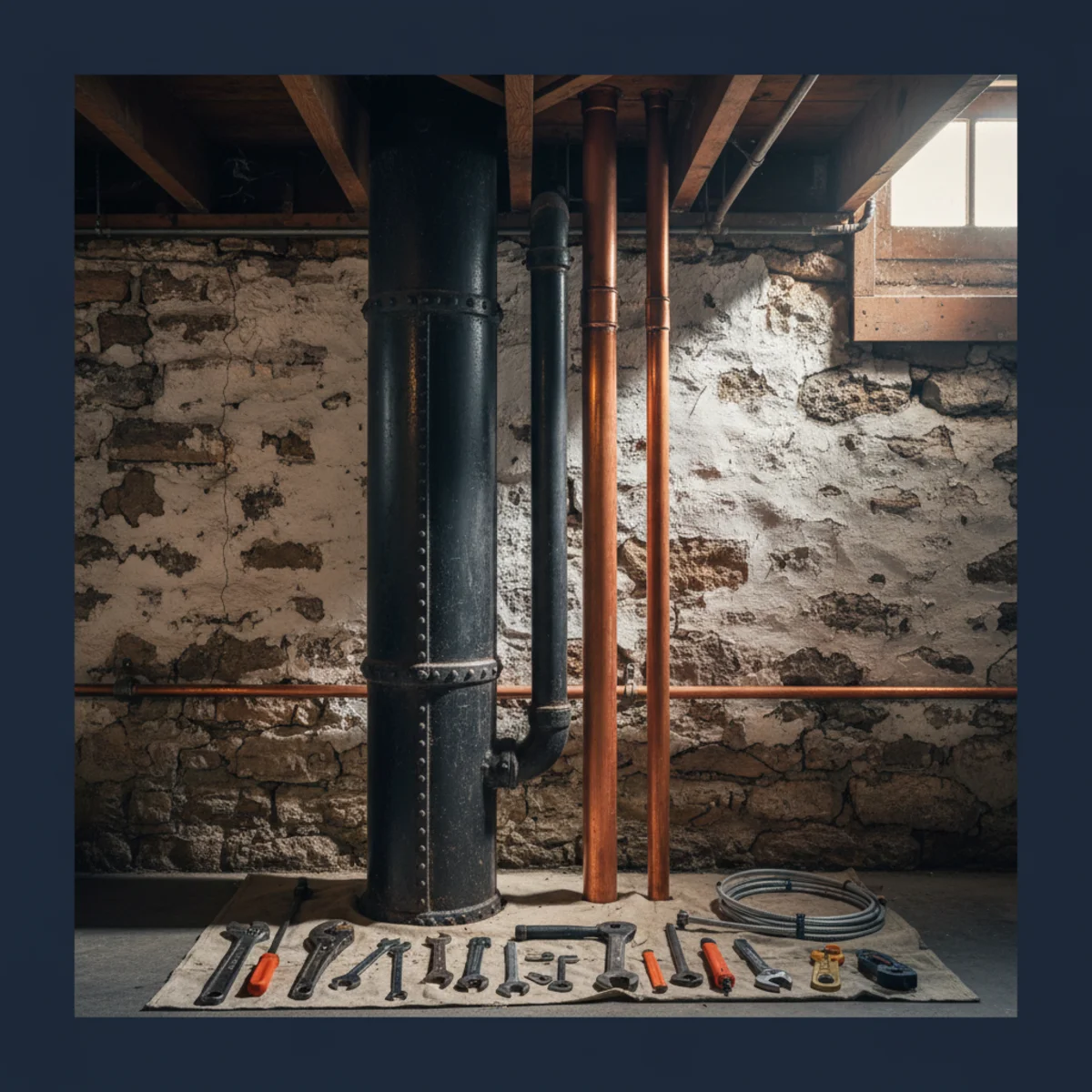
Plumbing Problems in Older Union County Homes: The Big Three
If your Union County home was built before 1970, three aging materials cause most of its plumbing headaches. Here is how to recognize cast iron, galvanized pipe, and clay lateral failure before it floods you.
9 min read · October 6, 2025