Local Tips
The Best Plumbing Maintenance Tips for a Roselle Park Home
9 min read · Published August 4, 2025
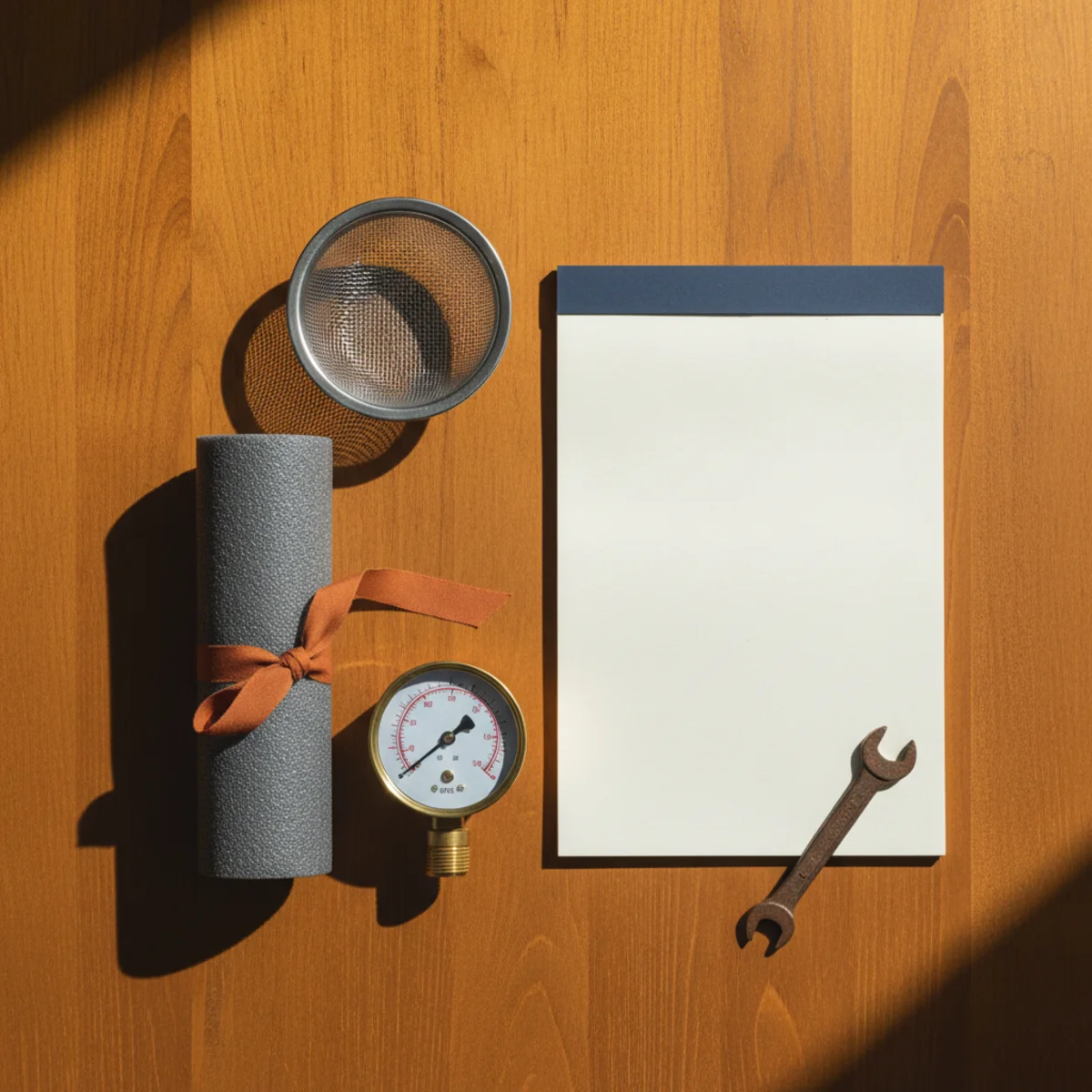
Most plumbing disasters in Roselle Park start as small problems anyone could have caught months earlier. Here is a season-by-season maintenance routine built for the borough's older housing stock.
Key Takeaways
- Plumbing rarely breaks all at once — ten minutes a season catches the cheap problem first.
- In spring, check pipe joints for freeze damage and bucket-test the sump before the rains.
- In fall, disconnect hoses, drain outdoor spigots, and sleeve pipes on uninsulated exterior walls.
- Confirm your main shut-off actually turns; many older Roselle Park valves seize from disuse.
- Skip chemical drain cleaners in older homes — they accelerate corrosion in aging pipe.
Why Maintenance Matters More in an Older Borough
Roselle Park is barely a square mile of mostly early-1900s two-story frames and colonials, and almost every one of them has a basement full of plumbing that has been working hard for decades. That age is the whole story. The cast-iron drain stack, the galvanized supply lines, the original shut-off valves — none of it was installed yesterday, and all of it fails in slow, predictable ways if nobody is watching.
Here is the part homeowners miss: plumbing rarely breaks all at once. A water heater that floods a finished basement was usually weeping rust from its base fitting for months. A pipe that bursts in January was already sweating and corroding through the fall. Maintenance is just the habit of looking before the slow problem becomes a fast one.
You do not need to be a tradesperson to do most of it. You need a flashlight, ten minutes a season, and a short list of things to check. The goal is simple: find the cheap problem before it turns into the expensive one. Everything below is organized around that idea, scheduled to the calendar a Roselle Park home actually runs on.
Spring: Wake Everything Up After Winter
When the freeze risk passes, spring is for checking what winter may have stressed. Walk your basement with a flashlight and look at every exposed pipe joint, especially along cold exterior walls and the rim joist. A pinhole that opened during a hard freeze often leaves a faint mineral stain or a damp spot you can catch before it becomes a steady drip.
Reconnect and test your outdoor hose bibs. Turn one on and put your thumb partly over the opening — if you feel pressure drop or hear water inside the wall, you may have a split frost-proof sillcock that cracked over winter. That is a common one in older homes and worth a water leak repair call before you run the garden hose all summer.
Spring is also sump season. Roselle Park's clay-and-sandy soil holds water, and the spring rains are the first real test. Pour a five-gallon bucket of water into the pit and confirm the pump kicks on, lifts the water, and shuts off cleanly. If it hesitates, grinds, or runs without pumping, get it looked at now — not during the first big storm.
Summer: The Easy Season to Tackle Drains
Summer is the low-stress window to deal with the slow drains you have been ignoring. Heat is not bursting pipes, sump pumps are quiet, and you can actually pay attention to the small annoyances.
Run hot water down every drain that has been getting sluggish and watch how fast it clears. A bathroom sink that drains slowly is usually hair and soap scum building on the stopper and the first few inches of pipe — often a five-minute fix you can do yourself. A kitchen sink that gurgles or empties slowly is a different animal, usually grease and food scale coating the line, and it tends to come back unless the pipe gets properly cleared.
This is the season to stop pouring grease down the drain if you have been doing it. Wipe pans into the trash, use a mesh strainer in every sink, and you will dramatically cut how often you need drain cleaning. If a drain keeps clogging no matter what you do, that is a signal the pipe itself has a problem — scale, a belly, or roots — and it is worth a professional look rather than another bottle of chemical cleaner that just eats your old pipes from the inside.
Fall: Get Ahead of the Freeze
Fall maintenance in New Jersey is really one thing: freeze prevention. The homes that survive January without a burst pipe are the ones that got prepped in October.
Disconnect every garden hose and shut off the interior valve that feeds each outdoor spigot, then open the spigot to drain it. A hose left attached over winter traps water in the sillcock, and that trapped water is exactly what splits the pipe when it freezes.
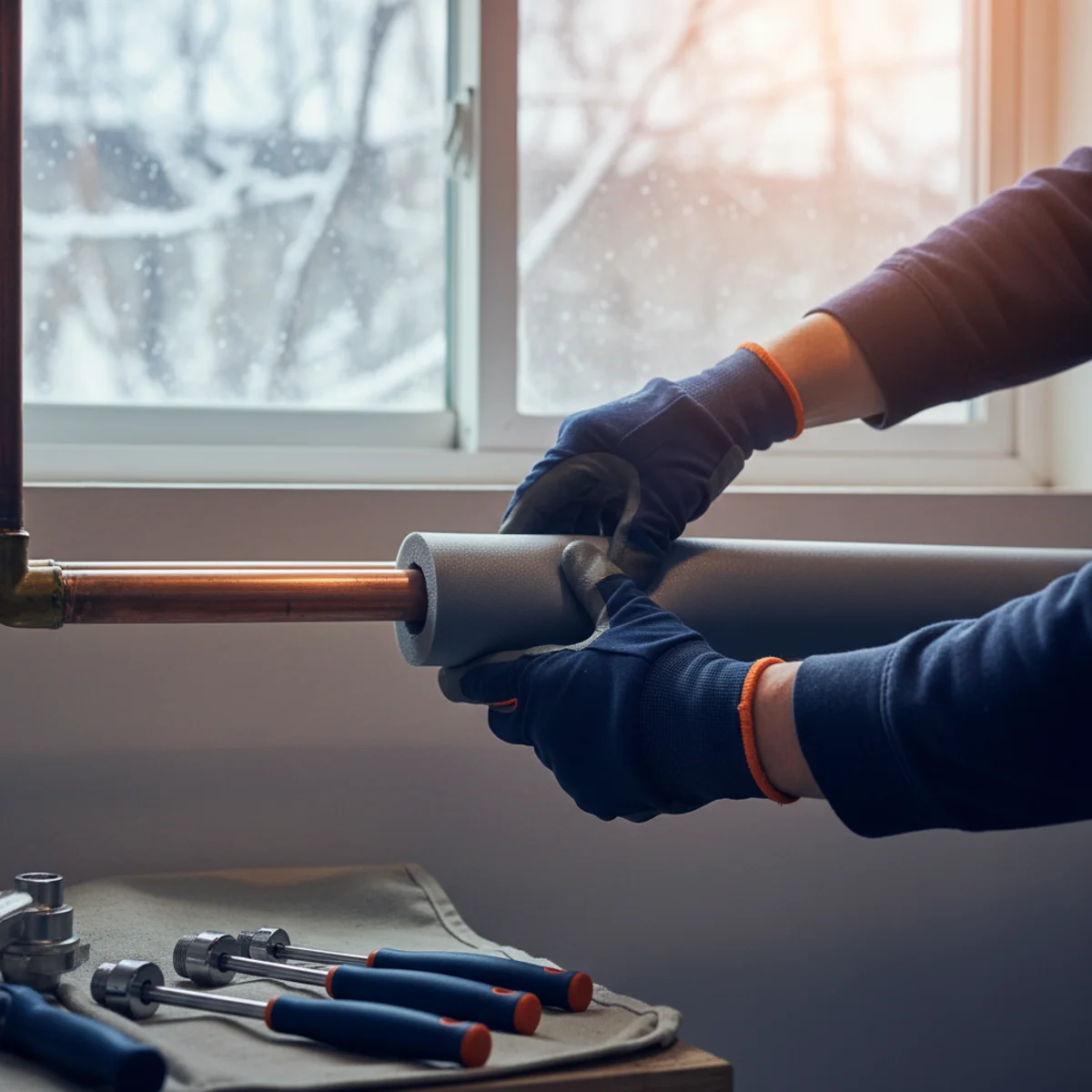
Walk the basement and crawl space again, this time looking for any supply pipe running along an uninsulated exterior wall or through an unheated space. Foam pipe sleeves cost a few dollars at the hardware store and slip right on. Pay special attention to pipes near foundation vents and the rim joist, where cold air sneaks in.
While you are down there, locate your main water shut-off and make sure you can actually turn it. In a lot of older Roselle Park basements the main valve has not been touched in years and seizes up. If it will not budge or weeps when you work it, replace it now — a working shut-off is the difference between a wet towel and a flooded basement when something lets go.
Winter: Watch, Don't Panic
Once the cold sets in, winter maintenance is mostly vigilance plus a few habits. On the coldest nights, let a faucet on an exterior wall trickle — moving water is much harder to freeze than still water, and a pencil-thin stream is cheap insurance.
Keep the heat on even in rooms you do not use, and open the cabinet doors under sinks on outside walls so warm room air reaches the supply lines. The kitchen and bathroom plumbing on the north and west sides of a Roselle Park frame house are the usual freeze points.
If you travel, never let the thermostat drop below about 55 degrees, and consider having someone check the house. A burst pipe in an empty home runs for days. The classic Roselle Park nightmare is a commuter family that comes home from a holiday to a ceiling on the floor.
Know the warning sign: a faucet that suddenly slows to a trickle on a cold morning may mean a line is starting to freeze. Open the faucet, warm the area gently, and if you cannot get flow back, call before it bursts. We handle frozen pipe repair all winter — and the safe move is always a slow thaw, never an open flame.
The Once-a-Year Checks Worth Doing
A few things only need attention annually, but they prevent the biggest failures. Your water heater tops the list. Once a year, look at the base and the connections for rust or moisture, and listen when it runs — a popping or rumbling sound means sediment has built up on the tank bottom. Flushing a few gallons from the drain valve clears light sediment; heavy buildup that keeps coming back means the tank is aging out.
Test your toilet for a silent leak by putting a few drops of food coloring in the tank and waiting fifteen minutes. If color shows up in the bowl without flushing, the flapper is leaking and quietly running up your water bill.
Check your water pressure with a cheap gauge on an outdoor spigot. Most homes want somewhere in the 45 to 70 psi range. Too high stresses every fixture and joint in the house; too low in an older home often signals galvanized pipe closing up with corrosion.
If you would rather not crawl around chasing all of this yourself, a yearly plumbing maintenance visit covers it in one pass. Either way, the point stands: ten minutes of looking beats a weekend of cleanup. Questions about your specific setup? Call (207) 419-2600 and we will walk you through what matters for your home.
When a Maintenance Find Becomes a Service Call
Not everything you spot is a do-it-yourself job, and knowing the line keeps you safe. Clearing a hair clog or swapping a toilet flapper is fair game. Anything involving your gas line, your sewer main, or a water heater that is leaking from the tank itself routes to a professional — those carry real safety and code consequences, and New Jersey requires permits and inspections on a lot of that work for good reason.
The homeowners we help most in Roselle Park are the ones who caught something early, were not sure how serious it was, and picked up the phone before guessing. A rust stain under the heater, a valve that will not close, a drain that clogs every few weeks — those are exactly the calls where an honest look now saves a far bigger bill later.
Whether you are near the Westfield Avenue corridor or tucked on a quiet residential block, the maintenance mindset is the same. Watch the slow problems. Fix the cheap ones early. And when something is past your comfort zone, get a straight answer at (207) 419-2600 before it becomes an emergency.
Frequently Asked Questions
Keep Reading
Local Tips
When to Call a Local Plumber vs. Do It Yourself
Some plumbing jobs are perfectly safe for a confident homeowner. Others quietly turn a small problem into an expensive one. Here is an honest decision tree for knowing which is which.
8 min read · May 4, 2026

Local Tips
How to Choose a Plumber in Roselle Park, NJ
Hiring a plumber in Roselle Park should not be a gamble. This guide shows you how to verify a New Jersey license, confirm insurance, understand permits, and read an estimate before you sign.
9 min read · February 12, 2026
Local Tips
Winter Plumbing Tips for New Jersey Homeowners
A New Jersey winter finds every weak spot in your plumbing. This guide walks through the freeze prep that actually prevents burst pipes, plus what to do the morning a line freezes anyway.
9 min read · November 30, 2025