Drain & Sewer
7 Signs Your Main Sewer Line Is Clogged (Act Before It Backs Up)
8 min read · Published November 17, 2025
A single slow drain is annoying. Several fixtures backing up at once is a warning the main sewer line is failing. Learn the signs that mean stop using water and call before sewage hits the floor.
Key Takeaways
- Several fixtures backing up at once points to the main, not a single branch.
- The basement floor drain weeps first because it is the lowest opening on the main.
- Gurgling toilets and bobbing water levels are air being yanked past the blockage.
- Stop all water use the moment signs line up; every flush pushes the backup toward your floor.
- Skip the chemical cleaner and call; a main-line clog is always a professional job.
Why the Main Line Is Different
Every drain in your house — every sink, tub, toilet, and washer — eventually empties into one pipe: the main sewer line that runs out under the yard to the street. A clog in a branch line affects one fixture. A clog in the main affects everything, because everything funnels through it.
That is what makes a main-line clog its own category of problem. The water has nowhere to go. Flush a toilet and the wastewater that cannot exit comes back up the path of least resistance — often the lowest opening in the house, which is usually the basement floor drain.
In Roselle Park, the main line is frequently old. Many homes still run through original clay or early cast-iron laterals that are decades past their easy years, with joints that have shifted, scaled, or let tree roots in. So main-line clogs here are common, and they rarely announce themselves politely.
The upside is that a main-line clog gives off clear signals before it turns into a backup on your floor. Catching it at the warning stage instead of the sewage stage is the difference between a routine main line clog removal and a cleanup. Know the signs and you get to act early.
Sign 1 and 2: Multiple Fixtures Backing Up Together
This is the big one. If two or more fixtures act up at the same time, suspect the main.
A clogged sink is local. But when you flush the toilet and the tub gurgles, or you run the washer and the toilet bubbles, or the kitchen sink backs up while the bathroom drains slowly — that is the main line talking. The blockage is downstream of where all those fixtures join, so they share the symptom.
The classic test: flush a toilet and listen to the nearest tub or shower drain. If water rises in the tub or it gurgles loudly when the toilet flushes, that water has nowhere to go but sideways, and the cause is past the point where those two lines meet.
The second tell is location. Lower fixtures fail first. The basement toilet and the first-floor drains back up while the upstairs bathroom still seems fine, because gravity pushes the trapped water to the lowest openings. If your downstairs is misbehaving while upstairs is normal, that pattern points straight at the main.
When several fixtures go at once, stop running water and call. Continuing to use water on a clogged main is how the basement floods. A sewer line repair pro can clear it, but only if you stop feeding the line first.
Sign 3: The Basement Floor Drain Backs Up First
If you want one early-warning device for a main-line clog, it is the basement floor drain. It is almost always the lowest opening connected to the main, which makes it the first place trapped sewage surfaces.
When the main backs up, water rises through that floor drain before it ever reaches a toilet bowl. So a floor drain that suddenly weeps, smells, or has standing water around it — especially when you run a washing machine or flush upstairs — is shouting that the main is blocked.
This matters double in Roselle Park because nearly every home has a basement, and many of those basements are finished with real money in them. A main-line backup that comes up the floor drain into a finished basement is a bad day. The floor drain gives you a head start if you are paying attention to it.
Do a simple check now and then: pour a bucket of water into the floor drain. It should disappear with a healthy glug. If it drains slowly or burps water back, that is a clue worth following before a storm or a big laundry day forces the issue. If it is already backing up, stop all water use and get a sewer backup cleanup and clearing call going right away.
Sign 4 and 5: Gurgling and Bubbling You Can Hear
Your plumbing should be quiet. When it starts talking, listen.
Gurgling is trapped air. As a main-line clog narrows the pipe, water passing the blockage pulls air through traps and vents in fits, and you hear it bubble. A toilet that gurgles after a shower drains, a sink that glugs when the washer empties, drains that bubble for no obvious reason — that is air being yanked through the system because water cannot move freely past the obstruction.
The water-level dance is a related sign. Watch your toilet bowls. If the water level rises and falls on its own, or drops low, or bubbles up when another fixture drains, the main is pushing and pulling air through the only open path it has left.
These sounds usually come before any visible backup, which is exactly why they are valuable. A drain that gurgles today is the same drain that backs up next week if nothing changes.
Note one thing: gurgling can also mean a blocked vent rather than a clogged main. The difference is whether several fixtures are involved and whether anything is draining slowly. When you call (207) 419-2600, describe the sounds and which fixtures do it — that tells us whether to look at the main line or up at the roof vent first.
Sign 6 and 7: Smells and Slow-Everything
Two slower-burning signs round out the list.
Sewer smell is a real clue when it shows up around the lowest drains. A failing main line lets sewer gas push back up through floor drains and toilets instead of venting out the roof. If your basement or first floor has picked up a faint, persistent sewage odor near the drains, the main may be partially blocked and backing gas up the line. (A localized smell at one fixture is more often a dry trap or a bad wax ring — that is a different diagnosis ladder.)
The second is whole-house sluggishness. Not one slow drain — all of them. When every fixture in the house drains a little slower than it used to, the bottleneck is the pipe they all share. A partial main-line clog or a heavily scaled lateral chokes the whole system at once, and you feel it everywhere.
Slow-everything plus occasional gurgling plus an odd smell is a partial main-line obstruction building toward a full one. It is the most catchable stage there is. A camera sewer inspection at this point shows whether it is grease, scale, roots, or a broken section, and you fix the right thing before it becomes a floor full of sewage.
What to Do the Moment You Suspect the Main
If the signs line up — multiple fixtures, the floor drain first, gurgling, smell, slow everything — treat it as a stop-and-call situation, not a wait-and-see one.
First, stop using water. Every flush, every load of laundry, every shower adds to wastewater that cannot exit and pushes the backup closer to your floor. Tell everyone in the house to hold off.
Second, do not pour chemical drain cleaner down a main-line clog. It will not reach a blockage that is forty feet out under the yard, and if the line does back up, you now have caustic chemicals in the water that surfaces.
Third, call. A main-line clog is not a DIY job — it lives past the cleanout, often involves roots or a damaged old lateral, and the consequence of getting it wrong is sewage in a finished basement. This is a route-to-a-professional situation every time.
When you reach us at (207) 419-2600, say main line and list which fixtures are affected. That moves the call up the priority list. We clear it from the cleanout, camera the line to see why it happened, and tell you straight whether it was a one-time clog or an aging lateral that is going to keep doing this. Roselle Park's old sewer lines have patterns, and homes around Roselle Park tend to fail in predictable ways we can plan for.
Frequently Asked Questions
Keep Reading
Drain & Sewer
How to Unclog a Toilet Without a Plunger (Safely)
The plunger is missing and the bowl is full. Before you panic or pour something dangerous, try these safe home methods — and learn the bright line for when to stop and call a plumber.
7 min read · March 2, 2026

Drain & Sewer
Sewer Smell in the House? Work Through This Diagnosis Ladder
That sewer-gas smell has a source, and you can often find it by working from the simplest cause to the most serious. Here is the diagnosis ladder a plumber runs in their head, top rung to bottom.
8 min read · February 9, 2026
Drain & Sewer
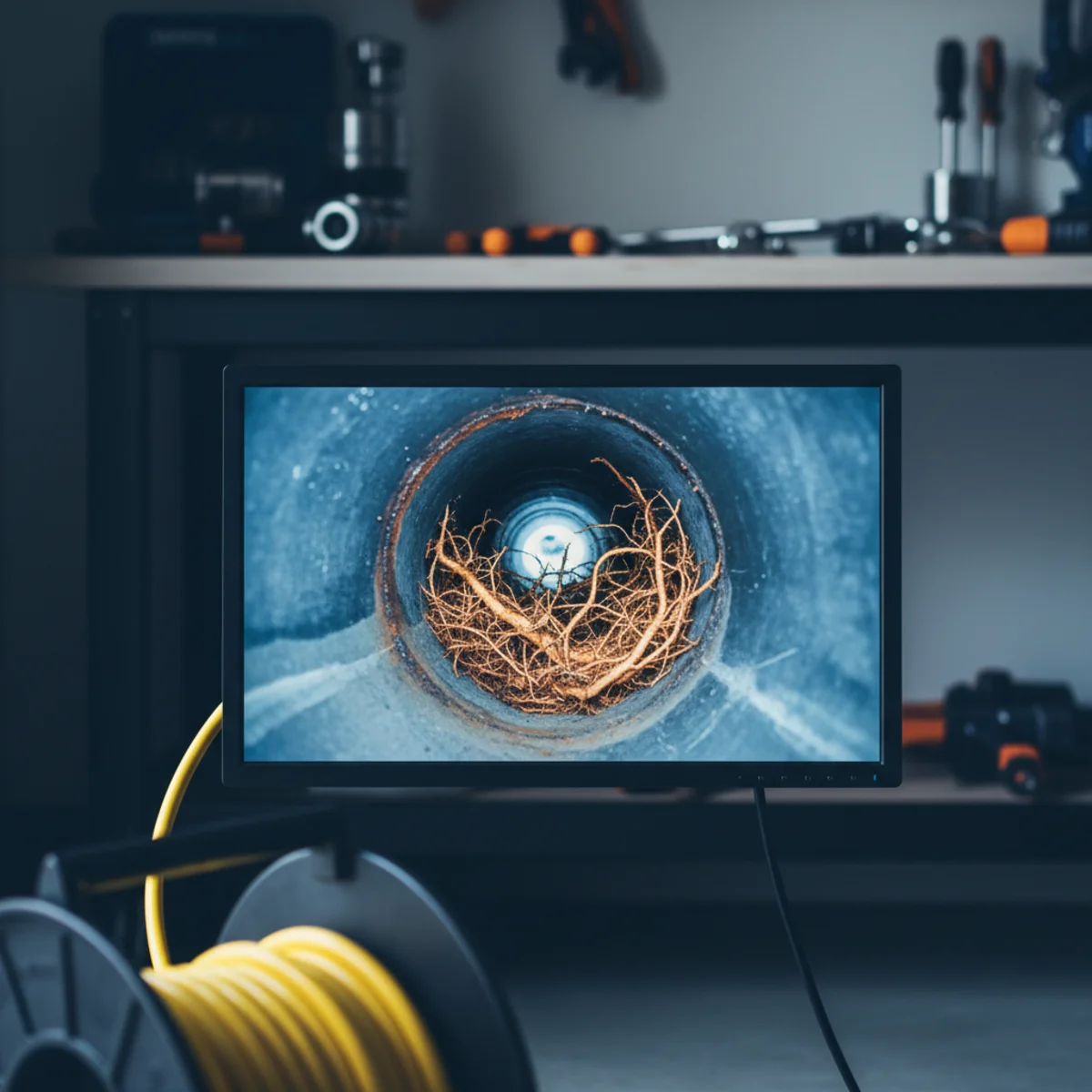
Why a Camera Sewer Inspection Is the Smartest Plumbing Money You Spend
You would not buy a car without looking under the hood. A camera sewer inspection is how you look inside the one pipe you cannot see — before you dig, before you buy an older home, before a clog becomes a flood.
7 min read · January 26, 2026