Commercial
Restaurant Drain Cleaning Guide for Roselle Park Kitchens
8 min read · Published December 22, 2025
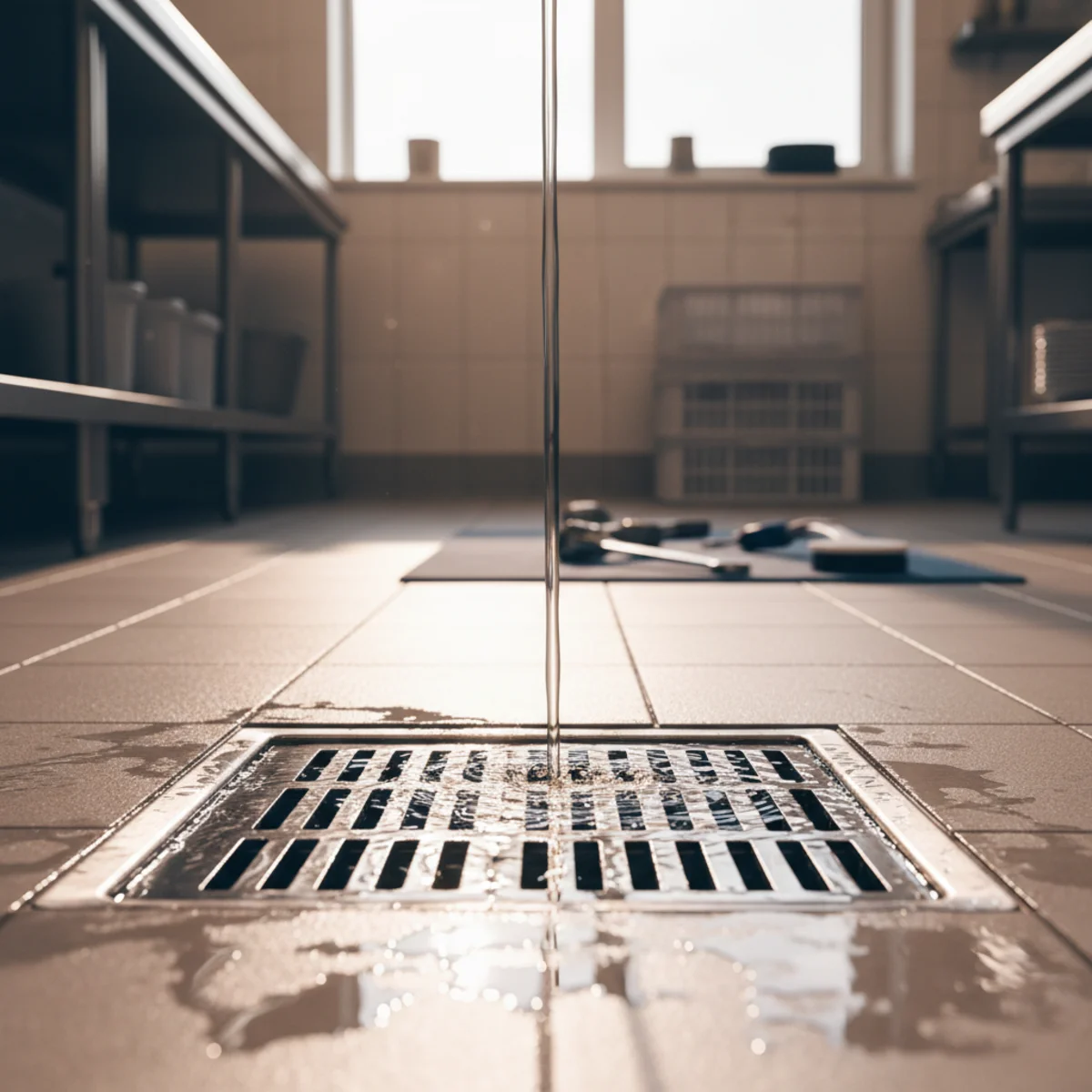
Grease is the enemy of every commercial kitchen drain. Here is how Roselle Park restaurants keep lines flowing, pass inspections, and avoid the backup that shuts the dining room down.
Key Takeaways
- Hot grease pours in as liquid and congeals on the pipe walls downstream, layer after layer.
- Scrape every plate and never pour fryer oil down a drain — that habit prevents the most clogs.
- Pump the grease interceptor on a real interval, usually every one to three months by volume.
- Jetting scours grease off the full pipe diameter; a snake just punches a hole that closes back up.
- Keep your jetting and pumping receipts — a maintenance record keeps the health inspector satisfied.
Why Restaurant Drains Clog Differently
A home kitchen drain handles a few greasy pans a day. A restaurant drain handles hundreds, plus food scraps, starch, and the runoff from a dishwasher cycling every few minutes through dinner service. The volume is not the only difference. The chemistry is.
Hot grease pours down the line as a liquid and looks harmless. Twenty feet down the pipe, where it has cooled, it congeals onto the walls like candle wax. Each shift adds another layer. Starch from pasta water and rice fills the gaps. Within months, a four-inch line is running through a two-inch hole, and then one busy Friday it stops entirely.
That is the backup nobody wants: standing water in the dish pit, a floor drain bubbling up, and a health risk in the middle of service. The fix is not a one-time clearing. It is a discipline. A Roselle Park kitchen that runs grease control and a jetting schedule almost never sees that Friday. The one that waits for the clog pays for it in closed hours and an emergency call to (207) 419-2600.
Grease Discipline Starts Before the Drain
The cheapest drain cleaning is the grease that never enters the pipe. Every effective restaurant program starts at the prep station and the dish pit, not at the cleanout.
- Scrape every plate and pan into the trash or a grease bin before it hits the sink. This single habit prevents more clogs than any machine.
- Never pour cooking oil or fryer grease down a drain, even diluted with hot water. It always cools and sticks somewhere downstream.
- Fit floor drains and sink baskets with fine strainers and empty them on a schedule, not when they overflow.
- Wipe pans with a paper towel before washing so the worst of the fat goes in the trash.
Train every shift on this, because one new hire dumping a fryer into a mop sink can undo a month of good habits. The drains do not care how busy you were. They only record what went down them. Build the habit into your opening and closing checklists so it survives staff turnover.
The Grease Trap Is Not Optional
Every commercial kitchen needs a grease interceptor between its sinks and the city sewer, and it only works if it gets serviced on a real interval. The trap slows the wastewater so grease floats to the top and solids settle to the bottom, letting cleaner water pass through to the sewer. When it fills past capacity, grease blows straight through into your building's main line, and now you have a clog where it is most expensive to fix.
Most traps need pumping every one to three months depending on volume and size. A high-output kitchen on Westfield Ave might need monthly service. A small cafe might stretch to quarterly. Do not guess and do not stretch it to save money, because an overflowing trap costs far more than the pumping. Our grease trap cleaning service handles the interval honestly, sizing the schedule to your actual output instead of selling you visits you do not need. If your trap is undersized for your volume, we will tell you that too.
Jetting vs. Snaking: What Actually Clears Grease
When a restaurant line does build up, a cable snake is the wrong tool and it is worth understanding why. A snake punches a hole through the blockage. Water flows again, the panic ends, and the grease coating the pipe walls is still there, ready to close back up in weeks. You will be calling again before long.
Hydro jetting is the right tool for grease. A high-pressure water stream scours the full diameter of the pipe, stripping the congealed fat off the walls back to bare metal or plastic. Done right, it buys months instead of weeks. For a grease-loaded restaurant line, hydro jetting is usually the honest answer.
That said, jetting is not always necessary. A line with a single food-scrap blockage and clean walls does not need it. A good plumber runs a camera inspection first, sees what is actually in the pipe, and recommends the tool that fits, rather than defaulting to the most expensive option. If a snake will genuinely solve it, that is what we say.
Set a Jetting Interval and Keep It
The restaurants that never close for a backup treat drain jetting like an oil change: scheduled, predictable, and done before there is a problem. The right interval depends on your menu and volume. A fryer-heavy kitchen pushing grease all day might jet its main kitchen line every three to six months. A lighter operation might go a year.
The way to find your interval is to track it. Note when lines were last jetted and watch how drains behave as months pass. The first sign of a slow dish-pit drain or a gurgle from a floor drain tells you the buildup is back and your interval is too long. Tighten it.
A standing schedule also means we already know your building. When you do hit a snag mid-service, dispatch is not learning your layout from a panicked phone call. Restaurants across downtown Roselle Park and the Westfield Ave strip run this way, and it is the single biggest reason some kitchens never see a service-hours backup.
Surviving the Health Inspection
A health inspector cares about your drains more than you might think. Standing water in a floor drain, a sewer smell in the kitchen, a slow hand-sink, or a grease trap overdue for service can all show up on a report, and some of those can shut you down on the spot.
Keep your documentation tight. Save the receipts and dates for grease trap pumping and line jetting, because being able to show a maintenance record turns an inspector's question into a non-issue. Make sure every floor drain trap stays wet so no sewer gas escapes, and that every hand-washing sink drains fast and clean.
The smell test is the simple one. If your kitchen smells like sewer, an inspector will notice the second they walk in, and so will your customers. That odor is almost always a dry trap, a venting problem, or grease backing up in a line. Fix the cause, not the air freshener. A clean-draining kitchen is a kitchen that passes.
Build the Backup Plan Before You Need It
Even a disciplined kitchen can get surprised: a line a previous owner neglected, a city main issue, a guest who flushed something they should not have. What separates a thirty-minute disruption from a closed dining room is having a plan.
Know where your shutoffs are and which staff can reach them. Know which drains feed which lines, so when one floor drain backs up you know how much of the kitchen is affected. And have a plumber's number on the wall who already knows your building, not a search you start at 7 PM on a Saturday.
Good drain management for a restaurant is mostly boring habit: scrape, strain, pump the trap, jet on schedule, keep the paperwork. Do the boring things and the dramatic things rarely happen. When they do, a plumber who knows commercial kitchens and Union County buildings is one call away at (207) 419-2600.
Frequently Asked Questions
Keep Reading
Commercial
Backflow Prevention for Businesses: What It Is and Why Testing Exists
Backflow prevention is the compliance item most business owners forget until a notice arrives. Here is what backflow actually is, why testing exists, and how to stay ahead of it.
8 min read · April 27, 2026
Commercial
Apartment Building Plumbing Issues and How They Spread
In a multifamily building, plumbing is never just one unit's problem. Here is how stacked units and shared risers turn a single leak into a building-wide headache, and who pays.
8 min read · March 30, 2026

Commercial
The Property Manager's Plumbing Emergency Plan
A tenant calls at 2 AM about water coming through the ceiling. Here is the playbook every Roselle Park property manager should have ready before that phone rings.
8 min read · February 26, 2026