Water Heaters
How Long Do Water Heaters Last? Lifespan Factors Explained
7 min read · Published February 23, 2026
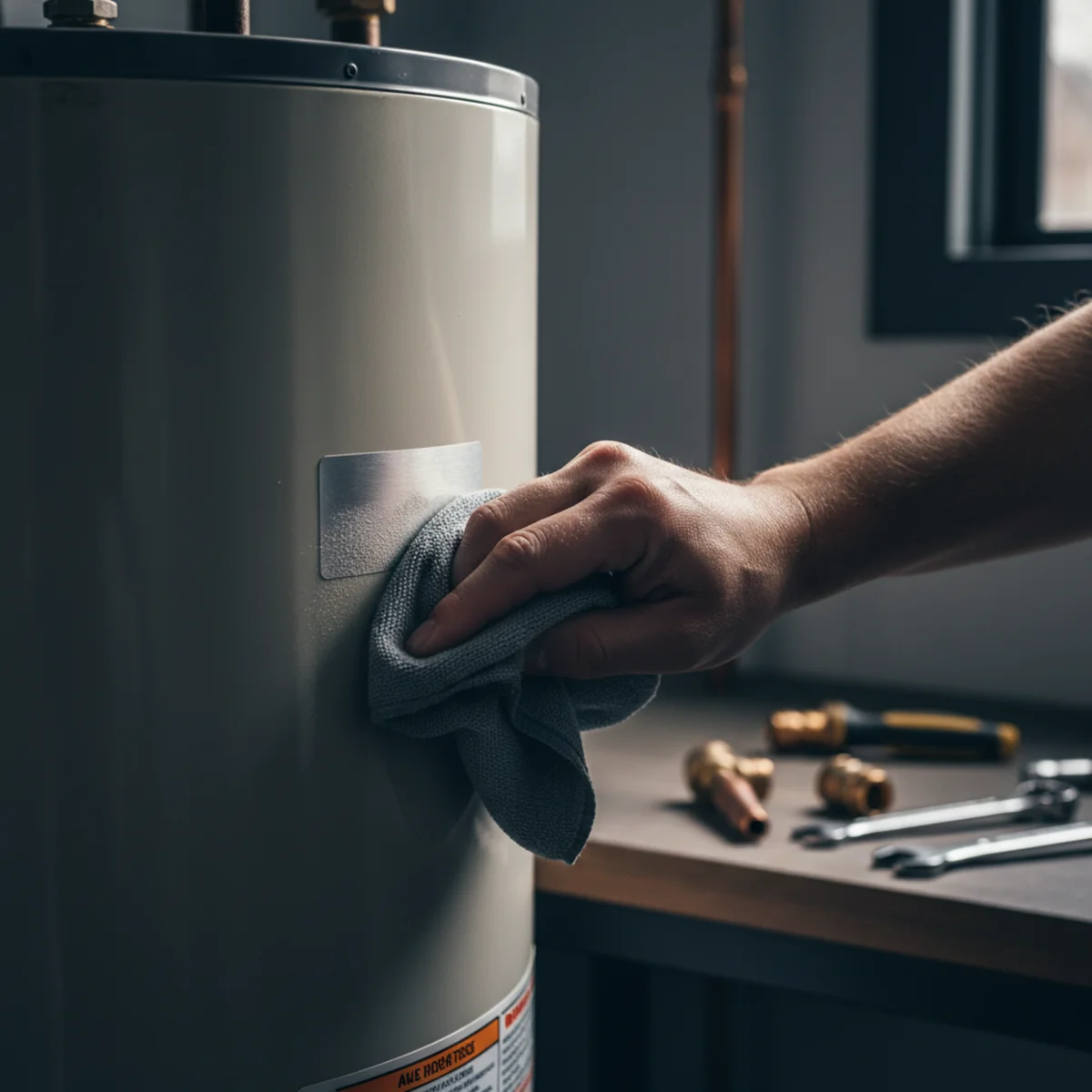
Eight to twelve years is the headline, but the real answer depends on your water, your maintenance, and one cheap part most homeowners never knew existed. Here is the full picture.
Key Takeaways
- Eight to twelve years is the headline, but water, maintenance, and install quality set the real number.
- Read the tank's age off the label or serial number; it changes how you read every symptom.
- The anode rod corrodes so the tank does not, and it often wears out by year five to seven.
- Roselle Park's moderately hard water builds sediment and eats anode rods faster.
- Replace on your own schedule once a tank passes its window and starts showing symptoms.
The Short Answer, Then the Real One
Ask any plumber how long a water heater lasts and you will hear the same range: eight to twelve years for a standard tank, up to twenty for a well-maintained tankless. That is a fine starting point, but it hides a lot.
The truth is that two identical tanks installed the same week in two Roselle Park homes can die five years apart. One owner flushed it every fall and changed the anode rod once. The other never touched it. The water, the maintenance, the install quality, and a couple of small parts decide which tank makes it to twelve and which limps out at seven.
So the useful question is not just how long they last on average, but what makes yours last longer, and how to tell where yours is in its life. This guide covers both. If you want to know the actual age and condition of the tank in your basement right now, that is a quick check, and you can reach us at (207) 419-2600 to have it looked at.
Find Out How Old Yours Is
You cannot judge a tank's remaining life without knowing its age, and most homeowners have no idea. Here is how to find it. Look on the side of the tank for a manufacturer label with a build date printed plainly. If there is no date, find the serial number, because most brands encode the year and week of manufacture in the first few characters.
The coding differs by brand, so it is not always obvious. Some put the year as the first two digits, others use a letter for the month. If you cannot decode it, a photo of the label sent to a plumber gets you an answer fast.
Knowing the age changes everything about how you read symptoms. A noise or a slow recovery on a four-year-old tank is a repair. The same symptom on an eleven-year-old tank is a warning to plan a water heater replacement. The number on that sticker is the most useful piece of information you have.
The Anode Rod: The Part That Saves the Tank
Here is the part almost no homeowner knows about, and it is the single biggest factor in how long a tank lasts. Inside every tank water heater is a long metal rod called the anode rod, usually magnesium or aluminum. Its entire job is to corrode so the tank does not.
This is sacrificial chemistry. Corrosive elements in the water attack the anode rod first, sparing the steel tank lining. The rod slowly dissolves over years until there is nothing left, and at that point the corrosion turns on the tank itself. That is when tanks start rusting and leaking.
The catch is that a rod often wears out around the five-to-seven-year mark, well before the tank is truly old. Replacing a depleted anode rod, a relatively cheap part, can add years to a tank's life. Most people never do it because nobody told them it exists. Checking and changing it is a standard part of plumbing maintenance, and it is one of the best-value moves in the whole house.
How Roselle Park Water Affects Lifespan
Local water matters more than people think. Roselle Park and the surrounding Union County towns have moderately hard water, meaning a fair amount of dissolved minerals. That hardness drives sediment buildup, the same gritty crust that makes a tank pop and rumble, and sediment shortens tank life by overheating the steel above the burner.
Harder water also eats anode rods faster, which means the rod needs checking sooner here than in a soft-water region. If your fixtures show white scale and your showerheads clog with crust, your water heater is fighting the same buildup inside where you cannot see it.
This is why a tank that the manufacturer rates for twelve years often lands closer to nine or ten in this area without maintenance. It is not a defect; it is chemistry. The homes that beat the average are the ones that flush annually and swap the anode rod on schedule. If hard water is a real problem in your home, a water softener protects the heater along with everything else.
Installation and Usage Also Set the Clock
Two more factors decide lifespan, and both are set the day the tank goes in or by how you live with it. Installation quality matters: a tank installed with proper connections, the right pressure, a working expansion tank where code requires it, and good venting simply lasts longer than a rushed job. A poor install stresses the tank from day one.
Usage matters too. A tank serving a household of five works far harder than one serving a couple, cycling more often and aging faster. High water pressure also shortens life by stressing the tank and fittings, which is why a pressure-reducing valve can be a quiet hero in homes with a strong street supply.
None of these are things you fix by worrying. They are reasons to have the tank installed right the first time and checked periodically. A clean water heater installation sets the unit up to reach the top of its lifespan range instead of the bottom.
Knowing When the Clock Has Run Out
Put it all together and you can read your tank's life with confidence. A unit under eight years old with no leaks and good performance has time left, and any symptoms are likely repairs. A unit at eight to twelve with mounting issues, slow recovery, noise, or a little rust, is in its final stretch and worth watching closely. A unit over twelve, or any tank leaking from its body, has reached the end regardless of how it looks.
The smart play is to replace on your schedule, not the tank's. A planned swap on a convenient day beats an emergency on a holiday morning every time, and it lets you size the new unit properly and consider efficiency upgrades.
If you do not know how old your tank is or how much life it has left, find out before it decides for you. Call (207) 419-2600 and we will check the age, the anode rod, and the overall condition. Homeowners across Union County use that simple check to plan ahead instead of scrambling.
Frequently Asked Questions
Keep Reading
Water Heaters
Water Heater Replacement Cost: The Factors That Set the Price in NJ
Anyone quoting a water heater price over the phone without seeing your basement is guessing. Six real factors set the number. Here is what they are and why they matter.
7 min read · March 16, 2026
Water Heaters
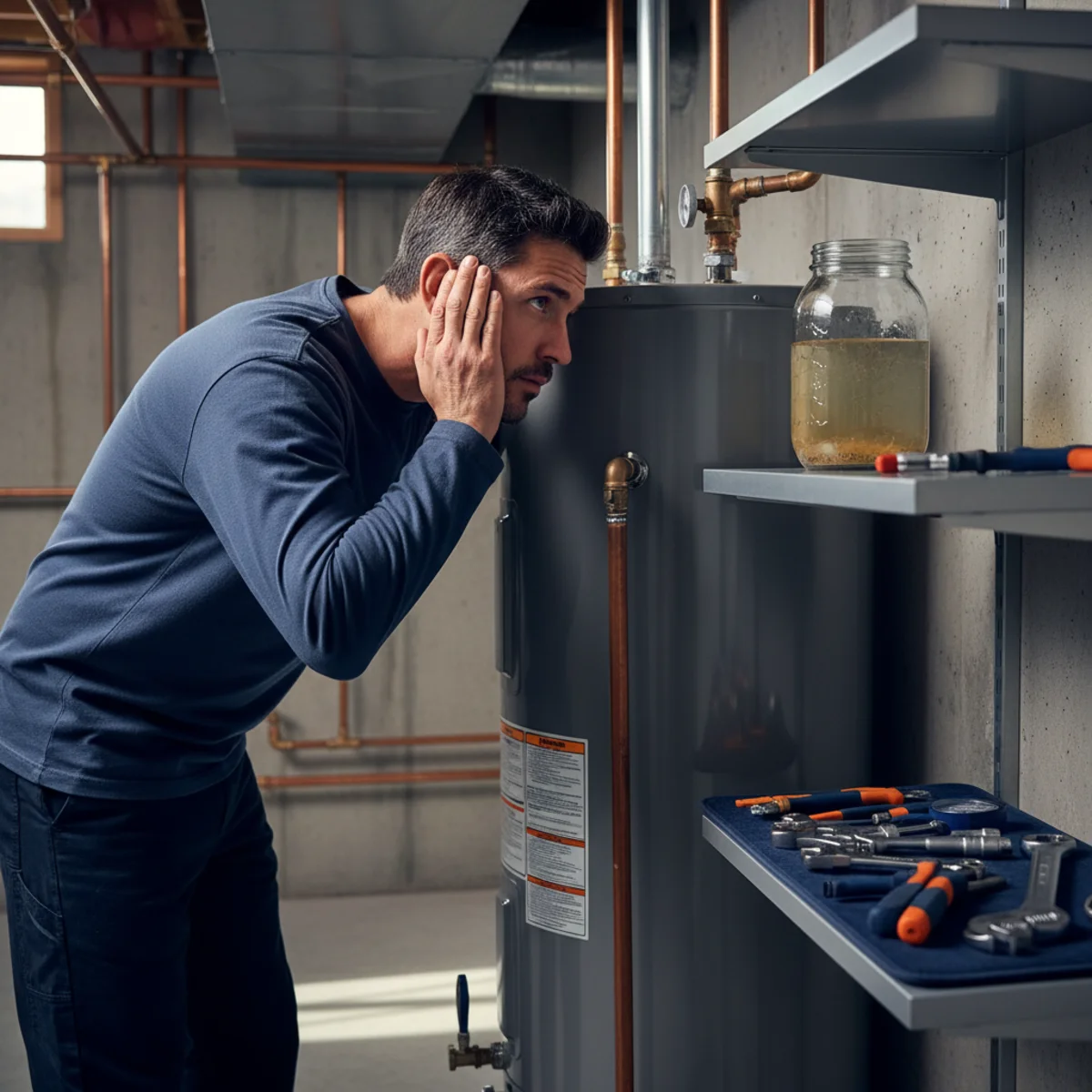
Why Your Water Heater Makes Popping Noises (And What to Do)
That popping or rumbling from the basement is sediment cooking on the bottom of your tank. Sometimes a flush fixes it. Sometimes it is a countdown. Here is how to tell.
7 min read · January 5, 2026

Water Heaters
No Hot Water? A Safe Troubleshooting Guide Before You Call
Cold shower this morning? Before you panic, there are a handful of safe checks that fix a surprising number of no-hot-water calls. Here is the gas and electric ladder.
7 min read · December 15, 2025